Things that I will never complain about again after living in Tanzania:
1. Poor electricity and plumbing
According to veterans Katie and Pam, if one or both of these features are present in your accommodation to some extent, you have nothing to complain about. We get hot water in our shower about 50% of the time, and for quite a while didn’t have a light bulb in our bathroom. We inquired about a light bulb since showering in the dark every morning was a bit difficult, but the hospitality staff didn’t seem to understand what we were whining about. Then yesterday, we came back from the field to discover that the light above our mirror and sink had migrated to the adjacent toilet and shower unit. I managed to track down one of the staff to replace our sink light, and the man brought TWO light bulbs instead. Suddenly we have four working lights in our room instead of two, and we barely know what to do with ourselves. We just sit around, squinting. Also, we have toilet paper again which is an outright miracle.
2. Uneven roads
Complaining about potholes is a favourite pass time among Albertans, but our roads don’t even compare to Tanzanian thoroughfares. Although most roads are paved in town, they are minefields of people, chickens, potholes, and rogue market produce. Of the 48 kilometres each way that we drive to the site, only about 8 are paved. The rest are travelled on a dusty dirt road that is barely wide enough for two cars to pass. Add in the additional traffic obstacles of the country and it makes for one terrifying drive. The last 11 kilometres don’t follow a road at all, and involve crossing 3 rocky dry river beds. There are always cattle, goats, children, and acacias trees in the way. The drivers often have to get out with machetes to clear the path. The potholes in Edmonton might as well be puddles compared to the daily adventure of driving through Tanzania in a land rover.
3. Public washrooms
Washrooms here range from standard North American units to a hole in the ground, and everything in between. Sinks are optional. Toilet paper and hand soap are rare. On top of this, public washrooms are almost impossible to find. At a restaurant last week, Jenn asked about the facilities and I automatically responded that they were really nice because they had running water AND hand soap. How quickly perceptions change. In the field, we excuse ourselves to kuchimba dawa (dig for medicine, AKA go into the bush) which was just fine until the Maasai told us there are leopards and cheetahs in the area. Now I’m slightly terrified to stray too far from the site. You know you’re in Africa when you take an emergency whistle with you to the washroom.
4. Restaurant service
Meals require a significant time investment, even at hotels. This is partly due to the size of our 9 person entourage, and partly because almost all restaurant food here is made from scratch when you order it. This
results in very fresh and delicious food, but a guaranteed wait time of at least one hour for breakfast and two for supper. Also, the individual meals never arrive at the same time. For the first few days in Dar es Salaam, we tried to observe etiquette and wait until everyone had been served to eat. However, we abandoned that practice as soon as we realized that dishes could arrive a half hour or more apart. Usually someone is just finishing eating when another meal arrives. Waiting means that the lucky few who are served first eat cold meals. The staggering of meal times also draws out the evening, so often half the table is done while the other half is just starting. Factor in time to receive the bill, and meals become and all out production. We spent at least 3-4 hours every day just trying to get fed (and that doesn’t include our picnic lunch at the site).
5. Waiting
A popular slogan around here is “no hurry in Africa,” which I find hilarious because it’s more of a cruel fact of life. Everything here runs on African time which is a concept that still escapes me. Offices will open very early in the morning, around 7 or 7:30, but any attempt to see an office worker involves at least an hour of waiting. We often hear “hayupo” which literally means he/she/it is not here, or “sibiri kidogo” which means wait a little bit (although it’s never a little bit). Permits that could be processed in an hour take a full week. And meeting and rendezvous times are considered the faintest of suggestions. We wait for everything, be it animal, vegetable, or mineral. There is a different concept of punctuality here that I have yet to figure out. By the end of the summer, I will have a superhuman capacity for waiting. Who knows what I’ll be able to accomplish with all my new found patience.
If nothing else, I will return from this trip a more relaxed and easy-going person. Thanks, Africa.
skip to main |
skip to sidebar
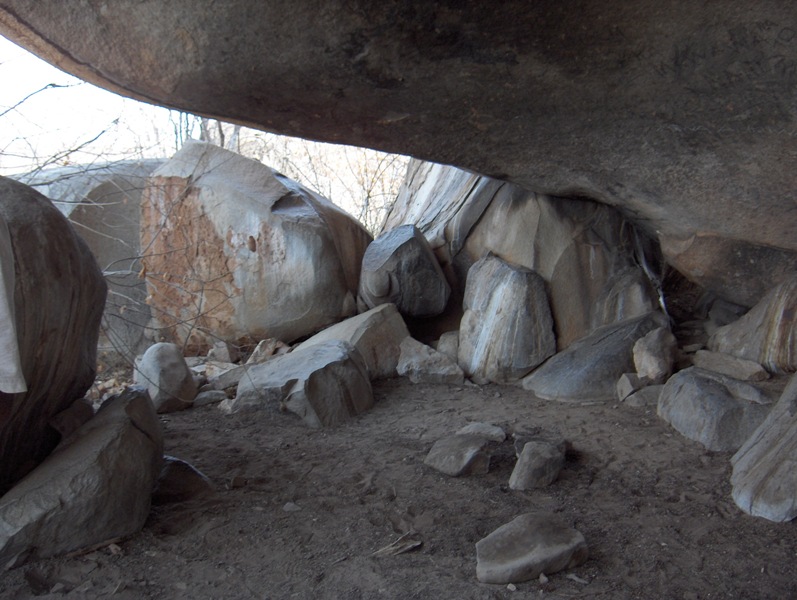
Mapango, or just Pango, are rock shelters. These posts chronicle my experiences in a granite pango in southern Tanzania, as well as other hijinks from the field.

About Me
- Ebeth
- My name is Elizabeth and I'm an archaeologist. I'm also a palaeoanthropologist, a bioarchaeologist, and a physical anthropologist, depending on the day. I'm spending the summer excavating bones (and other treasures) from an archaeological site in Tanzania. Otherwise, I'm a typical graduate student who enjoys coffee, reality television, and long walks on the beach.
No comments:
Post a Comment