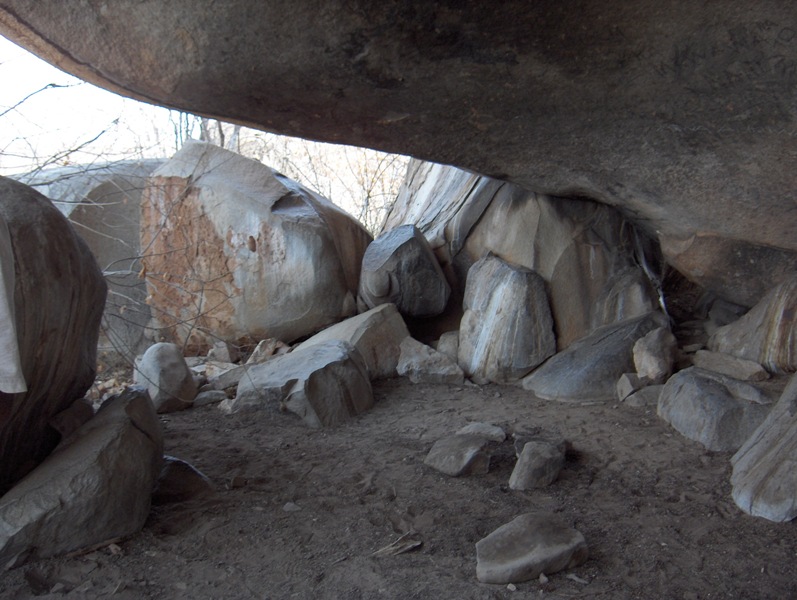
So often we fall into the trap of thinking only about research. The process of washing and sorting rocks in particular provokes tunnel vision. It’s always about the next artifact, the next level, the next category and so on and so forth. Hurry, hurry so we can get back into the field before we run out of time and fail out of grad school! However, playing with kids is an excellent remedy. We gave them pens and highlighters from our cache, with which Jenn diabolically demonstrated the art of drawing on oneself. Pretty soon they were writing each of our names on our arms in yellow highlighter as a darasa ya Kiingerasa (English lesson). We crawled through the hotel gardens, practiced some awesome dance moves, and printed off photos of us together on our portable printer. Neema even braided my hair. Sure we should have spent the afternoon washing and sorting artifacts, but who can fault us for playing with a 4 and 7 year old? Thank you Neema and Amos for reminding us that even though we are here to conduct research in Africa, we’re still in Africa so why not hang out in the bushes every now and again.
Saturday, July 31, 2010
Day 44
Today we stayed back from the field to confront the 9 boxes of unwashed artifacts living Pam and Katie’s closet that seem to be organizing some sort of resistance. We spent all morning washing and cataloguing artifacts in the blazing sun, as is our custom, and then broke for lunch around 1:45 pm. We had intended to go out but then an old Tanzanian friend of Pam’s, Shakila, appeared with her husband Titus and her two kids Neema and Amos. Shakila was the monuments officer for the local area when Pam first saw our site in 2005. The District Cultural Officer, Joyce, took the two of them on a 3 day tour of all the known archaeological pangos in the immediate vicinity. Five years later, Pam, her graduate students, and our collaborators are still researching those sites. And given the rate at which we’re excavating, we’ll be studying them for years to come.
 So often we fall into the trap of thinking only about research. The process of washing and sorting rocks in particular provokes tunnel vision. It’s always about the next artifact, the next level, the next category and so on and so forth. Hurry, hurry so we can get back into the field before we run out of time and fail out of grad school! However, playing with kids is an excellent remedy. We gave them pens and highlighters from our cache, with which Jenn diabolically demonstrated the art of drawing on oneself. Pretty soon they were writing each of our names on our arms in yellow highlighter as a darasa ya Kiingerasa (English lesson). We crawled through the hotel gardens, practiced some awesome dance moves, and printed off photos of us together on our portable printer. Neema even braided my hair. Sure we should have spent the afternoon washing and sorting artifacts, but who can fault us for playing with a 4 and 7 year old? Thank you Neema and Amos for reminding us that even though we are here to conduct research in Africa, we’re still in Africa so why not hang out in the bushes every now and again.
So often we fall into the trap of thinking only about research. The process of washing and sorting rocks in particular provokes tunnel vision. It’s always about the next artifact, the next level, the next category and so on and so forth. Hurry, hurry so we can get back into the field before we run out of time and fail out of grad school! However, playing with kids is an excellent remedy. We gave them pens and highlighters from our cache, with which Jenn diabolically demonstrated the art of drawing on oneself. Pretty soon they were writing each of our names on our arms in yellow highlighter as a darasa ya Kiingerasa (English lesson). We crawled through the hotel gardens, practiced some awesome dance moves, and printed off photos of us together on our portable printer. Neema even braided my hair. Sure we should have spent the afternoon washing and sorting artifacts, but who can fault us for playing with a 4 and 7 year old? Thank you Neema and Amos for reminding us that even though we are here to conduct research in Africa, we’re still in Africa so why not hang out in the bushes every now and again.

Friday, July 30, 2010
Day 43
Today was a productive day at the site. First and foremost, we had “the talk” with the two men, Suleiman and Thomas, who have been working with us for the past while. Per my ethics clearance from the Research and Ethics Board back home, I have to inform any workers of the possibility of finding humans remains, and give them the option to withdraw their services at that point or if and when remains are actually encountered. I don’t know why, but I had a lot of anxiety about this moment. Not so much that we might lose workers, but that local people would take great offense to our research and make it impossible for us to continue. The area around the site has a bit of a frontier feeling. It’s by no means lawless, but there is a system of justice that we can’t see and don’t understand. There aren’t exactly officers in the middle of rural Iringa to run to when the villagers don’t play nice. Therefore, we tread very carefully around sensitive issues like excavating human remains. This is also part of being an anthropologist first, and an archaeologist second. Regardless of how many permits and permissions we have acquired, and how much we want to pursue a hypothesis, we couldn’t ethically proceed with research that could cause harm to other people. However, I’m happy to report that after we carefully explained the possible outcomes of our excavation in Kiswahili, they were pretty gung-ho to proceed. I can’t say I blame them! Bioarchaeology is the bee’s knees.
 After concluding our serious business, we photographed and mapped the current state of our trench. As of this morning, all 6 units are at the depth which is near or at the end of the Iron Age. We have reverted to our original units in order to begin investigating what lies underneath. I wasn’t thrilled with all the iron and slag we were finding in the previous levels, but I can’t say I’m much more thrilled by the thousands of quartz artifacts. Contrary to the opinion of my team members, loving rocks is not a requirement of being an archaeologist. Then again, I’m the bones girl of this operation. What I’m looking for is probably under those rocks, so you see where the conflict arises. Considering we have less than a month left in Tanzania, I just hope we all come out winners.
 After concluding our serious business, we photographed and mapped the current state of our trench. As of this morning, all 6 units are at the depth which is near or at the end of the Iron Age. We have reverted to our original units in order to begin investigating what lies underneath. I wasn’t thrilled with all the iron and slag we were finding in the previous levels, but I can’t say I’m much more thrilled by the thousands of quartz artifacts. Contrary to the opinion of my team members, loving rocks is not a requirement of being an archaeologist. Then again, I’m the bones girl of this operation. What I’m looking for is probably under those rocks, so you see where the conflict arises. Considering we have less than a month left in Tanzania, I just hope we all come out winners.
Wednesday, July 28, 2010
Day 41
The Isimila Hotel is being particularly recalcitrant today. This morning, there was absolutely no hot water for showers. By that I mean when I turned on the hot water tap, nothing came out. Now a cold shower isn't enough to put me in a bad mood, but returning 9 hours later to a hotel room without electricity didn't exactly help matters. When the electricity was finally turned back on, Jennifer and I discovered the only electrical outlet in our room had ceased to work. By day 41, I'm starting to suspect appliances only work on a rotational basis here. Right now I'm writing you from a chair in the outdoor bar, next to the outlet for the television. The mosquitos say hello.
Although we are staying back to wash artifacts again tomorrow, we are approaching a major turning point in our excavation. The units we started after we returned from Dar es Salaam are close to Level 4, the point at which the left the original 3 units. This leaves us with a roughly 2 x 3 m trench that is roughly 40 cm deep, and is poised above the Later Stone Age. We now have to decide how we want to proceed. Should we continue with these units or expand the trench laterally? Should we remove the large rocks that litter the exposed surface in order to see what's beneath them? How will we prepare the local workers and site visitors for what we might find? Our next move will have to be both technically and ethically sound, which will require a lot of finesse. With only 3 weeks of excavation time remaining, there is almost no room for error. Field work has never seemed like less of a vacation. For all those cheering for us back at home, keep those positive thoughts coming. We can use all the help we can get!
Although we are staying back to wash artifacts again tomorrow, we are approaching a major turning point in our excavation. The units we started after we returned from Dar es Salaam are close to Level 4, the point at which the left the original 3 units. This leaves us with a roughly 2 x 3 m trench that is roughly 40 cm deep, and is poised above the Later Stone Age. We now have to decide how we want to proceed. Should we continue with these units or expand the trench laterally? Should we remove the large rocks that litter the exposed surface in order to see what's beneath them? How will we prepare the local workers and site visitors for what we might find? Our next move will have to be both technically and ethically sound, which will require a lot of finesse. With only 3 weeks of excavation time remaining, there is almost no room for error. Field work has never seemed like less of a vacation. For all those cheering for us back at home, keep those positive thoughts coming. We can use all the help we can get!
Tuesday, July 27, 2010
Day 40

Today was a great day for interesting finds at our site. Shortly before lunch, Pam found her second eggshell bead of the trip and great celebration ensued. Despite being our principle investigator, Pam is famous for never finding anything remarkable. She always seems to come up short when her eager grad students are involved. That’s why it was great when she found her first bead two days ago, and added to her repertoire again today. Furthermore, her luck seemed to kick off an archaeological chain reaction. After lunch, Katie suddenly discovered that the large rock she had mapped in place was actually a massive quartzite core with a number of flake scars removed. An hour or so later, Jennifer found what looks like a polished ground stone pendant in our karai. It has a hole drilled through the top and certainly looks as though it was used as some kind of jewellery.
 Finally, in the last half hour of the day, I found an eggshell bead in situ in the only stratigraphically intact corner of our unit. In non-archaeological terms, I found something really cool in a context that tells us about where it came from and who used it. So far I’ve been feeling pretty lukewarm about the Iron Age (after all, it’s the Stone Age we want), but I don’t have any complaints today. Interesting artifacts are always welcome, regardless of their persuasion.
 While we were digging up some fun in the rock shelter, we received a phone call from our friend and soon-to-be collaborator Frank. The day we left for Iringa for the second time, we received word that the National Museum had finally found the artifacts from the site that we wanted. We sent Frank to go and see them and determine whether they were the right collection, with strict instructions to call us as soon as he had news. He took our advice quite literally and phoned us while we were working in our rock shelter out in the middle of nowhere.
 According to his report, not only are the collections available for our inspection, but it looks like there is an entire bag of human teeth present. Teeth are hands down one of the most useful skeletal elements for osteological analysis, so I’m excited to say the least. Will our remaining month in Tanzania be enough time to excavate the Stone Age, catalogue our artifacts, and conduct an inventory at the museum? That’s something I like to think about less. In the meantime, at least we have cool stuff.
Monday, July 26, 2010
Day 39
First of all, I would like to congratulate to my parents who are celebrating their 41st wedding anniversary today back in the northern hemisphere! I would also like to wish my excellent friend Krystal a very happy 26th birthday! I promise I’m out here somewhere, wishing you all the best. I can’t tell you how much I miss you guys.
Today we mustered up enough responsibility to forgo heading into the field in favour of doing some lab work. Once again we set up our plastic basins and newspaper on the second floor to process our loot. I suspect lab work will a lot more fun once we finally get out of the Iron Age. In the meantime, it’s hard not to laugh at the fact that we’ve spent 6 (and in some cases 10) years in university learn how to wash rusted iron slag with toothbrushes. For every interesting and glamorous thing we get to do in the field, there is always a toothbrush and pile of crud waiting at home. For whatever reason, our plight was more fascinating than usual today. We had about half a dozen other hotel guests wander upstairs and ask us what we were doing. Pam explained our research and outlined our objectives very carefully, since otherwise our behaviour looks rather suspicious. In 2006 at the same hotel, our team was investigated by immigration after a fellow guest accused them of stealing minerals. “Si medina” (not minerals) has consequently become a very important catch phrase for us. Typically, once we show people what we are collecting, they feel sorrier for us than anything else. It takes a certain kind of person to appreciate bone fragments, stone tool debitage, broken pots, and iron slag. Or perhaps it just takes a certain kind of person to take all those pieces and weave them into a story. That’s what I like think we’re doing.
After putting in our 8 hours of sun-scorching pebble inventory, we were rewarded with ndizi na nyama, a traditional dish from northern Tanzania. It’s basically cooked plantains and beef stew, all mixed together with peas and vegetables. One of our team members, Pastory, grew up in Bukoba and is absolutely crazy for anything banana related. However, his favourite dish is somewhat of a treat since we have to specially request it in the morning before we start work. Whether you’re celebrating anniversaries, birthdays, or washing rocks, you can’t go wrong with meat and bananas. Just another piece of wisdom from the field.
Today we mustered up enough responsibility to forgo heading into the field in favour of doing some lab work. Once again we set up our plastic basins and newspaper on the second floor to process our loot. I suspect lab work will a lot more fun once we finally get out of the Iron Age. In the meantime, it’s hard not to laugh at the fact that we’ve spent 6 (and in some cases 10) years in university learn how to wash rusted iron slag with toothbrushes. For every interesting and glamorous thing we get to do in the field, there is always a toothbrush and pile of crud waiting at home. For whatever reason, our plight was more fascinating than usual today. We had about half a dozen other hotel guests wander upstairs and ask us what we were doing. Pam explained our research and outlined our objectives very carefully, since otherwise our behaviour looks rather suspicious. In 2006 at the same hotel, our team was investigated by immigration after a fellow guest accused them of stealing minerals. “Si medina” (not minerals) has consequently become a very important catch phrase for us. Typically, once we show people what we are collecting, they feel sorrier for us than anything else. It takes a certain kind of person to appreciate bone fragments, stone tool debitage, broken pots, and iron slag. Or perhaps it just takes a certain kind of person to take all those pieces and weave them into a story. That’s what I like think we’re doing.
After putting in our 8 hours of sun-scorching pebble inventory, we were rewarded with ndizi na nyama, a traditional dish from northern Tanzania. It’s basically cooked plantains and beef stew, all mixed together with peas and vegetables. One of our team members, Pastory, grew up in Bukoba and is absolutely crazy for anything banana related. However, his favourite dish is somewhat of a treat since we have to specially request it in the morning before we start work. Whether you’re celebrating anniversaries, birthdays, or washing rocks, you can’t go wrong with meat and bananas. Just another piece of wisdom from the field.
Sunday, July 25, 2010
Day 38
Yesterday was the midpoint of our 74 day trip, so I thought I would take a moment to reflect on the first half of the field season. Experiencing culture shock has been bittersweet. Before I came here, I considered myself fairly well travelled (Tanzania is about the 15th country I’ve visited). However, this trip is completely different, at least partially because it is the first time I’m travelling as a researcher. Unlike tourists who tend to float above a country and only hit the high points, we have integrated into daily life. In Iringa, we physically work the soil on the side of a mountain, which is about as close to a country as you can get. Our companions are our Tanzanian collaborators, the local Maasai and Wahehe people who come to visit and help out, and a handful of goats, cattle, dikdik and vervet monkeys. Every day we eat, work, and sleep in the Tanzanian fashion, or at least as near to it as foreigners are permitted.
Although it started before we even reached the field, this immersion is what produced much of the culture shock. It felt like the tidy reality I had been carrying around was shattered into a million pieces and I had to start again from scratch. When everything you see and do is new and nothing makes sense, it’s hard to even remember how things were before. For awhile I was resolved to establish a routine that was as similar to home as possible. Then, as I quickly realized that was impossible, I just gave up and gave in to Tanzania. I started putting the pieces of myself back together and ended up with a much larger world than previously. Some things that I thought were important aren’t (wealth, material goods), some things still are (family, education), while other things that I hardly ever thought about (resources, power) suddenly seem really important. Every time my mind shattered because I met someone who didn’t own shoes, or I saw kids who wanted tangerines instead of candy, or I realized the $1700 I scrounged up in travel scholarships is more than many people make in a year, it came back a little stronger. That’s what is really bittersweet: it’s absolutely miserable to feel so lost, but I would never go back to the way I used to be. Now I know that this place exists, I can’t exactly return to the life I was leading. More so, I would never want to. I feel the need to do something to ensure I never forget the way I feel right now.
After we arrived in Iringa, I found out via email that I will have full funding again for next year. Although I’m grateful for the support this project has generated, this trip is already about so much more than scholarships, or getting a master’s degree, or wanting to be an academic when I grow up. This place is now a part of me, and I can’t imagine living a life where I never return to East Africa. It’s strange to think that all those years spent loving archaeology and loving Africa have led to this research, something I can see myself doing for a lifetime. And it’s strange to feel this way after only 38 days. Anyway, I didn’t mean to be so philosophical, I guess I just wanted to say that I’ve changed.
Although it started before we even reached the field, this immersion is what produced much of the culture shock. It felt like the tidy reality I had been carrying around was shattered into a million pieces and I had to start again from scratch. When everything you see and do is new and nothing makes sense, it’s hard to even remember how things were before. For awhile I was resolved to establish a routine that was as similar to home as possible. Then, as I quickly realized that was impossible, I just gave up and gave in to Tanzania. I started putting the pieces of myself back together and ended up with a much larger world than previously. Some things that I thought were important aren’t (wealth, material goods), some things still are (family, education), while other things that I hardly ever thought about (resources, power) suddenly seem really important. Every time my mind shattered because I met someone who didn’t own shoes, or I saw kids who wanted tangerines instead of candy, or I realized the $1700 I scrounged up in travel scholarships is more than many people make in a year, it came back a little stronger. That’s what is really bittersweet: it’s absolutely miserable to feel so lost, but I would never go back to the way I used to be. Now I know that this place exists, I can’t exactly return to the life I was leading. More so, I would never want to. I feel the need to do something to ensure I never forget the way I feel right now.
After we arrived in Iringa, I found out via email that I will have full funding again for next year. Although I’m grateful for the support this project has generated, this trip is already about so much more than scholarships, or getting a master’s degree, or wanting to be an academic when I grow up. This place is now a part of me, and I can’t imagine living a life where I never return to East Africa. It’s strange to think that all those years spent loving archaeology and loving Africa have led to this research, something I can see myself doing for a lifetime. And it’s strange to feel this way after only 38 days. Anyway, I didn’t mean to be so philosophical, I guess I just wanted to say that I’ve changed.
Saturday, July 24, 2010
Day 37
Today we returned to the site after an 8 day absence, hoping for the best but prepared for the worst. We brought all our recording equipment just in case the site had been disturbed, which was quite the feat considering only 1 of the cars was operational today. Nevertheless, the 8 of us and our gear piled into a single vehicle determined to reunite with our site. What we found was probably the best possible scenario. The two Wahehe men we paid to “keep an eye on the site” took us very literally and camped out there. This morning we found a still-smouldering campfire, pots and pans, and two people very happy to see us returned. It goes without saying that the site was not disturbed in our absence.
 We will be in Iringa until August 20, which means that now we can really get to work and start extensively excavating the site. We opened 3 more units today (J-11, I-10, and J-9) to expand on the 3 we brought down to datum before we left for Dar es Salaam. Together, the units will form a 2 m x 3 m trench that will help us to starting looking for old living floors. Our ultimate goal is to get as many of the 20 units excavated as possible to a depth at or close to bedrock. That way, we can determine the full extent of Historic, Iron Age, Later Stone Age, and maybe even Middle Stone Age occupations at the site. We also have a few hypotheses to test along the way. We have a lot of work ahead of us, but I don’t think anyone really intends to take a break for the next month or so. We can sleep when we are safely back in Canada, artifacts in tow.
Other than finding the site completely intact, today was a great success because it marked the magnificent return of Archaeology Dog! Awhile ago, I mentioned a great dog who followed some Maasai kids to the site and who seemed to be quite at home with archaeology. He likes to watch what we’re doing and then nap in the shade of the rock shelter. However, he is better behaved that some of our team members - he is always careful to walk around the units and he doesn’t disturb surface artifacts! Today he returned to the site for the better part of the morning, as if to welcome us back to the field. In return, I took about a million pictures of him doing adorable Archaeology Dog-type things. It was nice to come home.


 We will be in Iringa until August 20, which means that now we can really get to work and start extensively excavating the site. We opened 3 more units today (J-11, I-10, and J-9) to expand on the 3 we brought down to datum before we left for Dar es Salaam. Together, the units will form a 2 m x 3 m trench that will help us to starting looking for old living floors. Our ultimate goal is to get as many of the 20 units excavated as possible to a depth at or close to bedrock. That way, we can determine the full extent of Historic, Iron Age, Later Stone Age, and maybe even Middle Stone Age occupations at the site. We also have a few hypotheses to test along the way. We have a lot of work ahead of us, but I don’t think anyone really intends to take a break for the next month or so. We can sleep when we are safely back in Canada, artifacts in tow.
Other than finding the site completely intact, today was a great success because it marked the magnificent return of Archaeology Dog! Awhile ago, I mentioned a great dog who followed some Maasai kids to the site and who seemed to be quite at home with archaeology. He likes to watch what we’re doing and then nap in the shade of the rock shelter. However, he is better behaved that some of our team members - he is always careful to walk around the units and he doesn’t disturb surface artifacts! Today he returned to the site for the better part of the morning, as if to welcome us back to the field. In return, I took about a million pictures of him doing adorable Archaeology Dog-type things. It was nice to come home.


Friday, July 23, 2010
Day 36
First of all, although we did see animals on our trip yesterday (including lovely elephants), there was intentional burning occurring throughout the national park that kept most away. Only the impalas were stupid enough to bask in the grass smoke. Nobody likes a savannah on fire.
 Although I wanted nothing more than to throw myself into my rock shelter today and make sure it survived our absence intact, we surveyed two new sites instead. Katie and Pam met a cultural historian/anthropologist named Frank at a conference last year who happens to be researching Wahehe beliefs on witchcraft. His informants told him about a possible foot print site, which prompted him to call in the archaeologists. It is an unwritten rule among field researchers that whenever you encounter someone else in your study region, it’s best to collaborate as much as possible. Also, foot prints are particularly tantalizing to palaeoanthropologists, especially when they are located in volcanic deposits that can be dated. That is how we ended up hiking 5000 feet up a mountain to see something that looked like a left human foot print at 10,951 feet above sea level. Unfortunately, it was in 600 million year old granite which means that it can’t have possibly been created by a human foot. However, the anatomy of the imprint is so realistic that it looks as though someone may have carved it into the rock. If so, that would certainly make it the most interesting petroglyph I’ve ever seen. We recorded the site and gave it a SASES number. Even if it’s a natural phenomenon, it has become an important part of Wahehe lore and now constitutes a cultural site. What do you think of it? We also visited and documented a gigantic rock shelter near the village of Kiponzelo which our informants told us was used as a Wahehe meeting place in the 19th century. It was certainly big enough to hold a hundred people or so. Alas, that will be a research project for another year. Right now there is only room for one pango in our lives.
I think my favourite part of the day was when we stopped for lunch after our hike. We passed around the oranges, tangerines, and nuts as per usual, but I personally went straight for the chocolate chip cookies. After eating 4 in rapid succession, I realized that I had an audience of local kids. I couldn’t very well deny them cookies after they watched me attack the bag, so I gave them the rest. There was one girl, maybe 2 or 3, who looked like she had never seen a chocolate chip cookie in her life. She didn’t know quite what to do with it, and would only slowly lick it. In the meantime, her brothers and sisters pilfered pieces off the side to eat themselves. I don’t know if she liked the cookie or not, but it was pretty amazing just to watch her experience it. The next time you eat a cookie, don’t take it for granted.
 Although I wanted nothing more than to throw myself into my rock shelter today and make sure it survived our absence intact, we surveyed two new sites instead. Katie and Pam met a cultural historian/anthropologist named Frank at a conference last year who happens to be researching Wahehe beliefs on witchcraft. His informants told him about a possible foot print site, which prompted him to call in the archaeologists. It is an unwritten rule among field researchers that whenever you encounter someone else in your study region, it’s best to collaborate as much as possible. Also, foot prints are particularly tantalizing to palaeoanthropologists, especially when they are located in volcanic deposits that can be dated. That is how we ended up hiking 5000 feet up a mountain to see something that looked like a left human foot print at 10,951 feet above sea level. Unfortunately, it was in 600 million year old granite which means that it can’t have possibly been created by a human foot. However, the anatomy of the imprint is so realistic that it looks as though someone may have carved it into the rock. If so, that would certainly make it the most interesting petroglyph I’ve ever seen. We recorded the site and gave it a SASES number. Even if it’s a natural phenomenon, it has become an important part of Wahehe lore and now constitutes a cultural site. What do you think of it? We also visited and documented a gigantic rock shelter near the village of Kiponzelo which our informants told us was used as a Wahehe meeting place in the 19th century. It was certainly big enough to hold a hundred people or so. Alas, that will be a research project for another year. Right now there is only room for one pango in our lives.
I think my favourite part of the day was when we stopped for lunch after our hike. We passed around the oranges, tangerines, and nuts as per usual, but I personally went straight for the chocolate chip cookies. After eating 4 in rapid succession, I realized that I had an audience of local kids. I couldn’t very well deny them cookies after they watched me attack the bag, so I gave them the rest. There was one girl, maybe 2 or 3, who looked like she had never seen a chocolate chip cookie in her life. She didn’t know quite what to do with it, and would only slowly lick it. In the meantime, her brothers and sisters pilfered pieces off the side to eat themselves. I don’t know if she liked the cookie or not, but it was pretty amazing just to watch her experience it. The next time you eat a cookie, don’t take it for granted.
Thursday, July 22, 2010
Day 35
Today we leave Dar es Salaam once again for Iringa, our penultimate journey between the two cities. The next time we travel this road we will hopefully be laden with artifacts and well-formed ideas for our theses. For now, I anticipate seeing lots of villages, baboons, and construction workers. If we’re lucky, we’ll continue our lucky elephant sighting streak. In any case, it’s going to be a long trip. So, for your enjoyment, here are the top 3 most useful things that I brought to Africa.
3. My iPod.
The credit for this should really go to my boyfriend, my sister, and my brother-in-law who bought me a 40 GB iPod when I graduated with my undergraduate degree. Back at home, I often neglect it in favour of my beloved iPhone, but it is utterly indispensible out here. Musical devices have a bad reputation among travelers because they can discourage people from meeting others and fully experiencing a new place. However, I don’t think many tourists face the same challenges that we do in the normal course of field work. Our existence is a real mix of highs and lows, and when things get too overwhelming there is nothing more soothing than listening to music from back home. It provides an instant link to something that is familiar and seems to take the edge off of whatever we are seeing or experiencing. Although I don’t bring it to the rock shelter or when we are around people, it really helps with the trip between Dar and Iringa, as well as with our daily commute to and from the site. Perhaps most importantly, it really helps with the social aspect of our work here. Even with a team as tightly bonded as ours, sometimes you just feel like wrapping a khanga around your head and pretending that no one is home. We are quite literally with each other 24 hours a day, 7 days a week. We work together, eat meals together, and sleep together. Consequently, the pseudo-solitude that an mp3 player and ear buds can provide is solid gold.
2. Sunglasses, a wide brimmed hat, and sunscreen.
These items might seem like obvious necessities for working in the tropics, but their utility cannot be overstated. Because it’s the dry season, our trip out to the site is apocalyptically bright as the sun reflects off the yellow-white dirt road and the dried mud brick houses. It’s also extremely dusty since both those features are actively eroding in the sun. Before I left, Ben bought me a pair of aviators with legitimate UV protection which I usually end up wearing for at least 4-5 hours a day every day. They allow me to comfortably watch the scenery as well as keep out the dust. Without them, I doubt I could keep my contact lenses from drying out and ejecting from my eyes. However, sunglasses are pretty useless in a shady rock shelter, which is where the oil-skin hat comes in. It provides just enough neck and face protection for short trips out of the rock shelter, and to eat lunch. Also, it handily keeps my hair mostly bug and twig free, which is always a bonus. Sunscreen is the final component of my sun-safety triumvirate. Every morning when I get out of the shower, I put SPF 60 on my entire body, including the parts that will be under clothing. I use SPF 100 on my face. I also reapply at lunch, and whenever I’ve been exposed to direct sunlight for more than 45 minutes. I belong to the school of thought that any skin colour change, including tanning, falls under the heading of sun damage. Archaeologists already tend to have a higher incidence of skin cancers due to their careers spent bent over holes, and I don’t intend to be a statistic. However, staying burn and tan free while working 7° S of the equator has been a constant battle. The sun is winning in that my arms and hands are getting tanned, but still far less so than my colleagues (who will not be winning any awards for sun safety any time soon). If I can come home at the end of the summer with only a mild tan and no burns, then I’ll consider my regime a success.
1. Malarone
Of the available options, we decided to take Malarone as our anti-malarial drug of choice because it is reputed to have the least side effects. It’s also the most expensive at $5 per pill, which is compounded by the fact that it has to be taken daily. The cost for 80 days was about $412, although I paid $9 with my outrageously good drug plan. Cost aside, Malarone is a miserable drug. It’s taken both to prevent and cure malaria, and consequently is not what I would call a mild medication. After we had been taking it for about 15 days, I started to notice that my stomach hurt and was upset almost constantly. I couldn’t seem to get any relief, even after a few days of only eating plain rice. I established that it wasn’t anything in the food or water after two rounds of antibiotics didn’t seem to have any effect. I’m almost positive that I am reacting to our anti-malarial pills. Considering that chronic stomach problems are listed within the first few possible side effects, this is something I’ll probably have to deal with for the next 40 days. It’s been slowly getting better as I learn what foods enrage the Malarone monster, but there’s not much I can do. Our team has also been experiencing other side effects, including fatigue, insomnia, mouth cuts, and extremely vivid dreams and nightmares. However, as awful as the anti-malarial pills are, the disease is infinitely worse. And we just can’t seem to avoid mosquitoes. From the hot and muggy climate of Dar es Salaam to the cool and dry weather in Iringa, they follow us like paparazzi. Although the mosquito nets help while we’re sleeping, you can’t exactly walk around under one all day long. I think I always have at least 1-2 bites on the go, and more when we’re in Dar es Salaam. Oh, and these scary tropical mosquitoes laugh in the face of bug spray. It’s absolutely critical that we take a preventative drug so we don’t become infected with the parasite. As much as I truly hate taking Malarone, I would much rather do so now than suffer the consequences of malaria later on.
Other items that have proven highly useful have been the school supplies my parents sent, my two cameras, my computer, and of course my journal. However, the items on my list above are those that I can’t live without. If I’m ever stranded on a desert island, I’ll cross my fingers for the same survival kit.
3. My iPod.
The credit for this should really go to my boyfriend, my sister, and my brother-in-law who bought me a 40 GB iPod when I graduated with my undergraduate degree. Back at home, I often neglect it in favour of my beloved iPhone, but it is utterly indispensible out here. Musical devices have a bad reputation among travelers because they can discourage people from meeting others and fully experiencing a new place. However, I don’t think many tourists face the same challenges that we do in the normal course of field work. Our existence is a real mix of highs and lows, and when things get too overwhelming there is nothing more soothing than listening to music from back home. It provides an instant link to something that is familiar and seems to take the edge off of whatever we are seeing or experiencing. Although I don’t bring it to the rock shelter or when we are around people, it really helps with the trip between Dar and Iringa, as well as with our daily commute to and from the site. Perhaps most importantly, it really helps with the social aspect of our work here. Even with a team as tightly bonded as ours, sometimes you just feel like wrapping a khanga around your head and pretending that no one is home. We are quite literally with each other 24 hours a day, 7 days a week. We work together, eat meals together, and sleep together. Consequently, the pseudo-solitude that an mp3 player and ear buds can provide is solid gold.
2. Sunglasses, a wide brimmed hat, and sunscreen.
These items might seem like obvious necessities for working in the tropics, but their utility cannot be overstated. Because it’s the dry season, our trip out to the site is apocalyptically bright as the sun reflects off the yellow-white dirt road and the dried mud brick houses. It’s also extremely dusty since both those features are actively eroding in the sun. Before I left, Ben bought me a pair of aviators with legitimate UV protection which I usually end up wearing for at least 4-5 hours a day every day. They allow me to comfortably watch the scenery as well as keep out the dust. Without them, I doubt I could keep my contact lenses from drying out and ejecting from my eyes. However, sunglasses are pretty useless in a shady rock shelter, which is where the oil-skin hat comes in. It provides just enough neck and face protection for short trips out of the rock shelter, and to eat lunch. Also, it handily keeps my hair mostly bug and twig free, which is always a bonus. Sunscreen is the final component of my sun-safety triumvirate. Every morning when I get out of the shower, I put SPF 60 on my entire body, including the parts that will be under clothing. I use SPF 100 on my face. I also reapply at lunch, and whenever I’ve been exposed to direct sunlight for more than 45 minutes. I belong to the school of thought that any skin colour change, including tanning, falls under the heading of sun damage. Archaeologists already tend to have a higher incidence of skin cancers due to their careers spent bent over holes, and I don’t intend to be a statistic. However, staying burn and tan free while working 7° S of the equator has been a constant battle. The sun is winning in that my arms and hands are getting tanned, but still far less so than my colleagues (who will not be winning any awards for sun safety any time soon). If I can come home at the end of the summer with only a mild tan and no burns, then I’ll consider my regime a success.
1. Malarone
Of the available options, we decided to take Malarone as our anti-malarial drug of choice because it is reputed to have the least side effects. It’s also the most expensive at $5 per pill, which is compounded by the fact that it has to be taken daily. The cost for 80 days was about $412, although I paid $9 with my outrageously good drug plan. Cost aside, Malarone is a miserable drug. It’s taken both to prevent and cure malaria, and consequently is not what I would call a mild medication. After we had been taking it for about 15 days, I started to notice that my stomach hurt and was upset almost constantly. I couldn’t seem to get any relief, even after a few days of only eating plain rice. I established that it wasn’t anything in the food or water after two rounds of antibiotics didn’t seem to have any effect. I’m almost positive that I am reacting to our anti-malarial pills. Considering that chronic stomach problems are listed within the first few possible side effects, this is something I’ll probably have to deal with for the next 40 days. It’s been slowly getting better as I learn what foods enrage the Malarone monster, but there’s not much I can do. Our team has also been experiencing other side effects, including fatigue, insomnia, mouth cuts, and extremely vivid dreams and nightmares. However, as awful as the anti-malarial pills are, the disease is infinitely worse. And we just can’t seem to avoid mosquitoes. From the hot and muggy climate of Dar es Salaam to the cool and dry weather in Iringa, they follow us like paparazzi. Although the mosquito nets help while we’re sleeping, you can’t exactly walk around under one all day long. I think I always have at least 1-2 bites on the go, and more when we’re in Dar es Salaam. Oh, and these scary tropical mosquitoes laugh in the face of bug spray. It’s absolutely critical that we take a preventative drug so we don’t become infected with the parasite. As much as I truly hate taking Malarone, I would much rather do so now than suffer the consequences of malaria later on.
Other items that have proven highly useful have been the school supplies my parents sent, my two cameras, my computer, and of course my journal. However, the items on my list above are those that I can’t live without. If I’m ever stranded on a desert island, I’ll cross my fingers for the same survival kit.
Wednesday, July 21, 2010
Day 34
Today was a genuine day off. Katie, Jenn, and I bought khangas and katenge on Uhuru street, took a taxi out to the Slipway where we bought clothes and souvenirs, enjoyed fancy salads for lunch (a delicacy that’s hard to find in Tanzania), and ate ice cream. Afterwards, we watched part of Step Brothers on my laptop and ate curry from the hotel restaurant for dinner. It was a really nice way to spend our last day in Dar es Salaam before heading back to the field tomorrow morning. Best of all, we didn’t bring any of our field work to the city so we didn’t even have to feel guilty about gallivanting instead of sitting hunched over rocks.
Unfortunately, our fearless leader was unable to join in the fun. She spent the day dealing with officials at the Department of Antiquities and the Dar es Salaam airport, looking for 26 boxes of artifacts that were shipped from Edmonton but have yet to arrive at their proper place. Pam’s permission to take artifacts on loan out of Tanzania to analyse them in Canada is quite rare. It is also completely contingent on her returning previous collections before conducting more field work. Consquently, she spent several days before we left packing up boxes of artifacts and filling out the appropriate paperwork for them to clear customs in both countries. They were supposed to take the same flight pattern as we did, from Edmonton to London, Dubai, and finally Dar es Salaam. Unfortunately, 2 weeks have passed since the estimated arrival date with no artifacts in sight. How do you lose 245 kilos of artifacts, you ask? Apparently it’s not all that hard. The same thing happened when they entered Canada in 2006, so perhaps these items are just cursed. Anyway, after a heavily-escorted tour of an airport cargo bay, Pam was able to mostly figure out where the boxes are hidden and accruing storage fees. Our new antiquities officer, Anthony, is going to stay behind for a few more days to try to sort out this mess. In the meantime, we are heading straight back to the field: some rested, some not, and all preoccupied with rocks.
Unfortunately, our fearless leader was unable to join in the fun. She spent the day dealing with officials at the Department of Antiquities and the Dar es Salaam airport, looking for 26 boxes of artifacts that were shipped from Edmonton but have yet to arrive at their proper place. Pam’s permission to take artifacts on loan out of Tanzania to analyse them in Canada is quite rare. It is also completely contingent on her returning previous collections before conducting more field work. Consquently, she spent several days before we left packing up boxes of artifacts and filling out the appropriate paperwork for them to clear customs in both countries. They were supposed to take the same flight pattern as we did, from Edmonton to London, Dubai, and finally Dar es Salaam. Unfortunately, 2 weeks have passed since the estimated arrival date with no artifacts in sight. How do you lose 245 kilos of artifacts, you ask? Apparently it’s not all that hard. The same thing happened when they entered Canada in 2006, so perhaps these items are just cursed. Anyway, after a heavily-escorted tour of an airport cargo bay, Pam was able to mostly figure out where the boxes are hidden and accruing storage fees. Our new antiquities officer, Anthony, is going to stay behind for a few more days to try to sort out this mess. In the meantime, we are heading straight back to the field: some rested, some not, and all preoccupied with rocks.
Tuesday, July 20, 2010
Day 33
Our first day back in Dar es Salaam got off to a rough start. Last night in the middle of the night, I was awakened by Jenn raking through her sheets and saying “I think there are spiders in my bed.” Because a side effect of our anti-malarial pills seems to be super vivid dreams, I think I said something to the effect of “stupid Malarone” and went back to sleep. Around 6 am, I woke up to use the washroom and noticed that I had two dark purple spots on my face. Upon closer inspection, it became clear that they were INSECT BITES. At that point I woke up Jenn and asked if I had dreamt the spider incident. Of course, I had not. Furthermore, Jenn’s hands and legs were also covered with itchy purple spots. I spent the next hour wide awake in my bed, trying not to think about what might be living in my pillow. By 7 am, I was feeling quite distressed and went downstairs to ask Katie if they were spider bites and if so, how much longer I had to live. Katie thought they were flea bites, but surprisingly enough that didn’t make me feel a whole lot better. I promise you that since coming here, I’m no longer bothered by much. Broken appliances, bizarre food, absent light bulbs, and freezing cold showers – bring them on! However, mystery insect bites on my FACE crosses a whole new line. Suffice it to say, we asked to change rooms. Considering the air conditioner had also short circuited and died in the middle of the night, I think we had a very compelling case. Not that it was necessary, mind you, since the reception staff were immediately very apologetic when Pam asked for a new room. Want to bet they knew? Oh Africa, what hilarious trial will you hurl at us next?
Today was not a great day to be disfigured as we met with the Provost and Vice President (Academic) of our university along with his entourage. As I mentioned, my supervisor suggested that the University of Alberta and the University of Dar es Salaam enter into an official partnership for the benefit of students and researchers in both places. What we didn’t expect was that Pam basically brokered the entire deal as the liaison between the two institutions (she has collaborated with the University of Dar es Salaam for over 2 decades). It was really nice to see her in her element. Furthermore, because Pam and her 5 students (3 Canadians and 2 Tanzanians) were among the 20 people who attended the signing, our project received some very healthy publicity. I guess this little side trip to Dar es Salaam was worth leaving the field, in spite of the bumps along the way. Even bumps that are resistant to cover-up and itch like hell.
Anyway, here is a picture of all of Pam's students (i.e. IRAP 2010) with the Director of the Archaeology Department at the University of Dar es Salaam.

Today was not a great day to be disfigured as we met with the Provost and Vice President (Academic) of our university along with his entourage. As I mentioned, my supervisor suggested that the University of Alberta and the University of Dar es Salaam enter into an official partnership for the benefit of students and researchers in both places. What we didn’t expect was that Pam basically brokered the entire deal as the liaison between the two institutions (she has collaborated with the University of Dar es Salaam for over 2 decades). It was really nice to see her in her element. Furthermore, because Pam and her 5 students (3 Canadians and 2 Tanzanians) were among the 20 people who attended the signing, our project received some very healthy publicity. I guess this little side trip to Dar es Salaam was worth leaving the field, in spite of the bumps along the way. Even bumps that are resistant to cover-up and itch like hell.
Anyway, here is a picture of all of Pam's students (i.e. IRAP 2010) with the Director of the Archaeology Department at the University of Dar es Salaam.

Monday, July 19, 2010
Day 32
Tumesafiri kutoka Iringa kwenye Dar es Salaam (we just traveled from Iringa to Dar es Salaam). The drive took about 9 hours because we stopped for lunch and to say goodbye to our antiquities officer Emmanuel, who is returning home to his adorable 10 month old daughter Nema. When we head back to Iringa in a few days, we’ll be accompanied by another antiquities officer who will hopefully grow to become just as much a part of the team.
 This time around, I enjoyed the scenery a little bit more. The transition from the arid mountains to a rich tropical forest is quite profound. It’s more than just a shift from baobabs to palm trees, but that’s where I notice it most. I also noticed quite a bit more about the villages. Each places piles its specific produce by the highway or strings handicrafts from trees, hoping that vehicles will stop and buy. Consequently, each village can be identified at a glance by its wares. There is the onion village, the bitter tomato village, the wood carving village, and my personal favourite, the basket village. This system is actually pretty effective, considering our driver stopped at a number of them to pick up gifts for his wife. Finally, I felt a little more adventurous this time around. When we stopped at a gas station in Mbuyuni around 10:30 am, I bought two mystery meat samosas from a local vendor. Since the first didn’t instantly make me sick, I enjoyed both. I don’t usually take such chances, but I guess I was in a street meat kind of mood. I only have one life to live, so why not try gas station samosas?
Perhaps most importantly, Mikumi national park did not disappoint on our second viewing. We saw elephants, giraffes, water buffalo, impala, warthogs, and baboons. That alone was worth coming all the way back to Dar es Salaam. I will never tire of East African animals.

 This time around, I enjoyed the scenery a little bit more. The transition from the arid mountains to a rich tropical forest is quite profound. It’s more than just a shift from baobabs to palm trees, but that’s where I notice it most. I also noticed quite a bit more about the villages. Each places piles its specific produce by the highway or strings handicrafts from trees, hoping that vehicles will stop and buy. Consequently, each village can be identified at a glance by its wares. There is the onion village, the bitter tomato village, the wood carving village, and my personal favourite, the basket village. This system is actually pretty effective, considering our driver stopped at a number of them to pick up gifts for his wife. Finally, I felt a little more adventurous this time around. When we stopped at a gas station in Mbuyuni around 10:30 am, I bought two mystery meat samosas from a local vendor. Since the first didn’t instantly make me sick, I enjoyed both. I don’t usually take such chances, but I guess I was in a street meat kind of mood. I only have one life to live, so why not try gas station samosas?
Perhaps most importantly, Mikumi national park did not disappoint on our second viewing. We saw elephants, giraffes, water buffalo, impala, warthogs, and baboons. That alone was worth coming all the way back to Dar es Salaam. I will never tire of East African animals.

Sunday, July 18, 2010
Day 31
Tonight is our last night in Iringa before we spend a few days in Dar es Salaam. The provost from our university back home is arriving in Tanzania tomorrow to establish some official partnership with the University of Dar es Salaam. Consequently, we have been summoned from the field to witness the event. Even though I’m looking forward to the break, it’s rather inconvenient to have to pack up our lives in Iringa. We’ve settled in to the point where it’s just starting to feel like home. We’re renting 1 hotel room to house our field gear, artifacts, and large suitcases in our absence (we’re traveling light this time), but we still have to reduce our comfortable and sprawled existence back into a suitcase. Since we will be reverting to our old hotel for a few days, I thought I would give you the low-down on where we’ve been living for the last month.
Hotel: The Starlight
City: Dar es Salaam
Location: Bibi Titi Mohammed street
Rate (USD): about $25 per person per night
Pam has been staying at the Starlight ever since she abruptly learned that her usual hotel had closed, right before she was scheduled to fly in to the city in the middle of the night. The hotel occupies a strange mid-priced economic niche that assures it is always left out of guide books. It’s too expensive for Tanzanians and backpackers, but too spartan for businessmen and wealthy safari travellers. The rooms are outfitted with air conditioning, mini fridges (although ours never worked last time), and a 9 inch television set with one channel in English. By far, the best asset of the Starlight is the chapattis in the restaurant on the main floor. It is also located within walking distance to the city centre, as well as markets and shopping districts such as the Uhuru street, an open air khanga market of gargantuan proportions. Also, there is a nice cafe across the street where we light to get water, pop, and andazi (Tanzanian donuts). The greatest drawback of the Starlight is the warehouse located next door which is frequently rented out for political rallies, weddings, and other shindigs that run late into the night. Furthermore, the unenclosed shower head is located equidistant between the toilet and the sink in the bathroom, ensuring that everything in that room is constantly wet. Finally, it’s a strictly Muslim-run hotel which means we can’t get beer on the premises and we have to wash our own delicates instead of sending them out with the laundry.
Hotel: The Isimila Hotel
City: Iringa
Location: Uhuru ave
Rate (USD): about $10 per person per night
The Isimila hotel, which is named after the famous Acheulian site, was the biggest hotel in Iringa for a long time. That’s why when Pam tells people we’re staying at a small hotel in Iringa, they laugh hysterically when they hear the name. Although our hotel room here is slightly smaller than at the Starlight and doesn’t come with a television or a fridge (or reliable lighting, for that matter), I think it’s our favourite of the two. We sleep in twin beds with plywood bunk bed frames to hold up our tent-like mosquito nets. The best thing about the Isimila hotel is that the bathroom sink is separate from the toilet/shower, which is invaluable when you’re sharing a room with another woman for an extended period of time. It’s located towards the centre of Iringa which means we can walk to the market or to get mahindi (roasted corn on the cob) after returning from the field. Although I don’t like the food as much as I did at the Starlight, the television in the dining room is always on Animal Planet, a Tanzanian soap opera, or some hilarious Nollywood (Nigerian Bollywood) film in which the plot line always involves witchcraft. Sometimes we also get to watch “Is a Dingo,” a soap opera out of South Africa that could give some of those North American cheese-fests a run for their money. The worst thing about the Starlight, aside from the disappearing light bulbs and shortage of toilet paper, is that the rooms don’t have heating or much insulation. There is a qualitative difference between the cold in Iringa and the cold in Edmonton, which can be summed up by the words “central heating.” Despite coming from a cold climate, I don’t think I’ve ever had to consistently put up with being cold for so long. My kingdom for a space heater! I don’t have any other major complaints about our accommodation here. There is a cat in heat that endlessly caterwauls from the garden every night, but I don’t think that’s the hotel’s fault.
Anyway, tomorrow morning we shift gears and head back towards the land of coconuts. See you in 5 days, Iringa.
Hotel: The Starlight
City: Dar es Salaam
Location: Bibi Titi Mohammed street
Rate (USD): about $25 per person per night
Pam has been staying at the Starlight ever since she abruptly learned that her usual hotel had closed, right before she was scheduled to fly in to the city in the middle of the night. The hotel occupies a strange mid-priced economic niche that assures it is always left out of guide books. It’s too expensive for Tanzanians and backpackers, but too spartan for businessmen and wealthy safari travellers. The rooms are outfitted with air conditioning, mini fridges (although ours never worked last time), and a 9 inch television set with one channel in English. By far, the best asset of the Starlight is the chapattis in the restaurant on the main floor. It is also located within walking distance to the city centre, as well as markets and shopping districts such as the Uhuru street, an open air khanga market of gargantuan proportions. Also, there is a nice cafe across the street where we light to get water, pop, and andazi (Tanzanian donuts). The greatest drawback of the Starlight is the warehouse located next door which is frequently rented out for political rallies, weddings, and other shindigs that run late into the night. Furthermore, the unenclosed shower head is located equidistant between the toilet and the sink in the bathroom, ensuring that everything in that room is constantly wet. Finally, it’s a strictly Muslim-run hotel which means we can’t get beer on the premises and we have to wash our own delicates instead of sending them out with the laundry.
Hotel: The Isimila Hotel
City: Iringa
Location: Uhuru ave
Rate (USD): about $10 per person per night
The Isimila hotel, which is named after the famous Acheulian site, was the biggest hotel in Iringa for a long time. That’s why when Pam tells people we’re staying at a small hotel in Iringa, they laugh hysterically when they hear the name. Although our hotel room here is slightly smaller than at the Starlight and doesn’t come with a television or a fridge (or reliable lighting, for that matter), I think it’s our favourite of the two. We sleep in twin beds with plywood bunk bed frames to hold up our tent-like mosquito nets. The best thing about the Isimila hotel is that the bathroom sink is separate from the toilet/shower, which is invaluable when you’re sharing a room with another woman for an extended period of time. It’s located towards the centre of Iringa which means we can walk to the market or to get mahindi (roasted corn on the cob) after returning from the field. Although I don’t like the food as much as I did at the Starlight, the television in the dining room is always on Animal Planet, a Tanzanian soap opera, or some hilarious Nollywood (Nigerian Bollywood) film in which the plot line always involves witchcraft. Sometimes we also get to watch “Is a Dingo,” a soap opera out of South Africa that could give some of those North American cheese-fests a run for their money. The worst thing about the Starlight, aside from the disappearing light bulbs and shortage of toilet paper, is that the rooms don’t have heating or much insulation. There is a qualitative difference between the cold in Iringa and the cold in Edmonton, which can be summed up by the words “central heating.” Despite coming from a cold climate, I don’t think I’ve ever had to consistently put up with being cold for so long. My kingdom for a space heater! I don’t have any other major complaints about our accommodation here. There is a cat in heat that endlessly caterwauls from the garden every night, but I don’t think that’s the hotel’s fault.
Anyway, tomorrow morning we shift gears and head back towards the land of coconuts. See you in 5 days, Iringa.
Saturday, July 17, 2010
Day 30
 IRAP 2010: the project where “taking a day off” means washing, sorting, and inventorying artifacts for 6 straight hours in the hot sun. We have been a little delinquent in our lab work, to say the least. We wanted to make a good start on our excavation before traveling back to Dar es Salaam, so we excavated and collected artifacts for 6 straight days in order to get through the Iron Age. That was a similar move to making dinner for 600 people and then not doing any of the dishes. Apparently on July 13, Katie and I collected 949 artifacts from a single 1m x 1m x 10 cm level. Considering that all artifacts must be individually washed, grouped, inventoried, and boxed before we can export them back to Canada, we have a little bit of work to do.
Fortunately, this isn’t the first time Pam has stayed here and asked to do something weird. As in previous years, the hotel let us convert the second floor patio into a temporary laboratory where we could wash artifacts in plastic basins and let them dry on newspapers. Then, we grouped them according to category (iron, furnace fragments, stone tools, etc), counted them, and bagged them. For bone and bead artifacts, we refrained from washing them and packed them into separate boxes marked fragile. Finally, Pam updated her master excel spreadsheet which will form the basis for our export permit application. Unfortunately, by the time we decided to quit for the day, no one was still in the mood to go out for lunch or see some shops as we had originally planned. There’s always tomorrow, depending on how many more treasures we have to scrub with toothbrushes.
 I’ll admit that at the beginning of this trip, we were taking it pretty easy while we waited for our permits to come through. However, I can assure you that we are making up for it in our study area! Now you see why we’re looking forward to returning to the capital for a few days where we can temporarily shift back into vacation mode. Don’t take it personally pango, but I could really use a break.
Today is the 1 month anniversary of when we left, which I find hard to believe. I’m sure we have been in Africa for years. If all that has happened can fit into 30 days, what on earth will the remaining 44 bring?
Friday, July 16, 2010
Day 29
Today was our 9th straight day of work, which means by now we have settled into a daily routine. Our cell phone alarm goes off at 6:15 am every morning, after which time Jenn and I lie very quietly in bed for another 10-15 minutes hoping the other will get up to shower first. Just after 7 AM, we all meet in the 3rd floor dining room for breakfast. Our options involve some combination of eggs, meat, and toast, accompanied by black tea, Africafe (instant coffee), or chai tangaweze, the most delicious boiled ginger tea that I have ever tasted. Despite my love of ginger tea and my hated for Africafe, I usually end up getting the coffee to keep my withdrawal at bay. We also get fresh fruit with breakfast, but I've found the quality varies with the number of other hotel guests. When we are the only diners, we tend to get bananas which are the least expensive. However, a few days ago when a large group of Germans were staying to tour Ruaha national park, they ran out of bananas and we got papaya! Breakfast is about an hour long production, so we’re not on the road until about 8:30 am. First, we stop at the Soko (market) to buy water, indizi (bananas), mchenza (tangerines) and mchungwa (oranges). The produce in Iringa is extremely well priced: we pay about $1.50 for a dozen tangerines and 5 oranges. We pay about the same for a dozen bananas. Some days we’ll also buy karanga (fresh peanuts) which sell for about $1 per kilo. They taste completely different from the roasted and salted peanuts we get in North America, and are highly addictive. Once we get out of Iringa town, the trip to the site is about an hour and ten minutes of dust, bumps, cow-jams, and waving children. When we pass the Maasai village closest to the site, the same kid (who, by the way, is pantless 50% of the time) either points and screams at us or throws a stick at our car. Thus far, he has been very consistent.
.jpg) At the site at around 10 am, we gather all our gear and hike the 5 minutes straight up the mountain to reach the entrance to the rock shelter. Our first priority is to start our daily field notes and set up the total station. Afterwards, we generally continue whatever it was we were doing the afternoon before – excavating a level, drawing plan maps, or taking photographs. We almost always get visitors throughout the morning. Lately, 5-10 Maasai kids appear per day because they have learned that we have candy. I think I’ll starting bringing pens and pencils next week so we can at least contribute to their education along with their deteriorating dental health. At around 1:30 pm, we break for a picnic lunch on the side of the mountain. We always share our fruit, nuts, and water with whoever happens to be around, but tend to be slightly more territorial about the chocolate chip cookies that Pam buys. Lunch is typically also the time when my colleague Pastory tries to sell me to whatever local Tanzanian men have stopped by. After a half hour break or so, we resume excavating until about 3:30 or 4 pm. The road that we can barely navigate during the day would be certain death in the dark, so it’s important that we give ourselves enough time to get back to the hotel. By the time the day is over, we’re pretty well covered in dirt and dust anyway, and are eager to head home to a potentially-hot shower.
At the site at around 10 am, we gather all our gear and hike the 5 minutes straight up the mountain to reach the entrance to the rock shelter. Our first priority is to start our daily field notes and set up the total station. Afterwards, we generally continue whatever it was we were doing the afternoon before – excavating a level, drawing plan maps, or taking photographs. We almost always get visitors throughout the morning. Lately, 5-10 Maasai kids appear per day because they have learned that we have candy. I think I’ll starting bringing pens and pencils next week so we can at least contribute to their education along with their deteriorating dental health. At around 1:30 pm, we break for a picnic lunch on the side of the mountain. We always share our fruit, nuts, and water with whoever happens to be around, but tend to be slightly more territorial about the chocolate chip cookies that Pam buys. Lunch is typically also the time when my colleague Pastory tries to sell me to whatever local Tanzanian men have stopped by. After a half hour break or so, we resume excavating until about 3:30 or 4 pm. The road that we can barely navigate during the day would be certain death in the dark, so it’s important that we give ourselves enough time to get back to the hotel. By the time the day is over, we’re pretty well covered in dirt and dust anyway, and are eager to head home to a potentially-hot shower.

.jpg)
We usually arrived at the hotel by 5:30 or 6:00 pm, which gives us just enough time to shower and check our email (or maybe even write a clever blog post) before we regroup for dinner at 7:00 pm. As I mentioned, our evening meal takes about an hour to arrive and another hour to consume and pay, which eats up a sizable portion of the evening. Fortunately, the menu at the Isimila hotel is nothing less that hilarious. The options include goulash soup (which is like a beef vegetable soup with random pieces of ginger in it), chicken steak (shredded chicken), ugali, meat or vegetarian curries, spaghetti, and a host of other strange concoctions. Best of all, nothing is ever the same two nights in the row. Some days the chicken arrives in a hot pink glaze while other nights it tastes strangely like KFC. The meals always come with side dishes, but since none of them are listed on the menu, they are impossible to predict. To some degree, we can divine what the hotel will serve based on the morning market fare. For example, we avoid the vegetable curry at all costs the evening after a large cabbage shipment comes in. Otherwise, what is placed in front of us every night is a genuine surprise.
After dinner, we are usually too tired and too full to do much of anything. Jennifer and I tend to upload our photos from the day and play around on the Internet. The hours between 9 pm and bedtime are pretty much the only time we have to relax and decompress, so I usually find myself battling between reading emails and going to sleep. I also use this time to flesh out my field notes, apply for grants for upcoming conferences, and respond to department emails. Even in Africa, we’re expected to be full time students. If you’re wondering why I’ve chosen to correspond via blog and not email, there is your answer right there. By 10:30 or 11:00 pm we’re usually tucked under our mosquito nets and well on our way to psychedelic anti-malarial drug induced dreams. Before we know it, the alarm is ringing again and it’s time to get up.
Today is a little bit different because Jennifer, Katie, and I are going to have a pyjama-party/movie night after dinner because we’re taking the weekend off. For the next two days, we’re going to wash and sort the ten boxes of artifacts we’ve already collected and take some time to explore Iringa. We’re going back to Dar es Salaam for a few days next week which means we need to organize and find a place to house our gear and artifacts in the interim. All I know is that this means I can sleep in until 7 am for the next two days. Life is good.
.jpg) At the site at around 10 am, we gather all our gear and hike the 5 minutes straight up the mountain to reach the entrance to the rock shelter. Our first priority is to start our daily field notes and set up the total station. Afterwards, we generally continue whatever it was we were doing the afternoon before – excavating a level, drawing plan maps, or taking photographs. We almost always get visitors throughout the morning. Lately, 5-10 Maasai kids appear per day because they have learned that we have candy. I think I’ll starting bringing pens and pencils next week so we can at least contribute to their education along with their deteriorating dental health. At around 1:30 pm, we break for a picnic lunch on the side of the mountain. We always share our fruit, nuts, and water with whoever happens to be around, but tend to be slightly more territorial about the chocolate chip cookies that Pam buys. Lunch is typically also the time when my colleague Pastory tries to sell me to whatever local Tanzanian men have stopped by. After a half hour break or so, we resume excavating until about 3:30 or 4 pm. The road that we can barely navigate during the day would be certain death in the dark, so it’s important that we give ourselves enough time to get back to the hotel. By the time the day is over, we’re pretty well covered in dirt and dust anyway, and are eager to head home to a potentially-hot shower.
At the site at around 10 am, we gather all our gear and hike the 5 minutes straight up the mountain to reach the entrance to the rock shelter. Our first priority is to start our daily field notes and set up the total station. Afterwards, we generally continue whatever it was we were doing the afternoon before – excavating a level, drawing plan maps, or taking photographs. We almost always get visitors throughout the morning. Lately, 5-10 Maasai kids appear per day because they have learned that we have candy. I think I’ll starting bringing pens and pencils next week so we can at least contribute to their education along with their deteriorating dental health. At around 1:30 pm, we break for a picnic lunch on the side of the mountain. We always share our fruit, nuts, and water with whoever happens to be around, but tend to be slightly more territorial about the chocolate chip cookies that Pam buys. Lunch is typically also the time when my colleague Pastory tries to sell me to whatever local Tanzanian men have stopped by. After a half hour break or so, we resume excavating until about 3:30 or 4 pm. The road that we can barely navigate during the day would be certain death in the dark, so it’s important that we give ourselves enough time to get back to the hotel. By the time the day is over, we’re pretty well covered in dirt and dust anyway, and are eager to head home to a potentially-hot shower. 
.jpg)
We usually arrived at the hotel by 5:30 or 6:00 pm, which gives us just enough time to shower and check our email (or maybe even write a clever blog post) before we regroup for dinner at 7:00 pm. As I mentioned, our evening meal takes about an hour to arrive and another hour to consume and pay, which eats up a sizable portion of the evening. Fortunately, the menu at the Isimila hotel is nothing less that hilarious. The options include goulash soup (which is like a beef vegetable soup with random pieces of ginger in it), chicken steak (shredded chicken), ugali, meat or vegetarian curries, spaghetti, and a host of other strange concoctions. Best of all, nothing is ever the same two nights in the row. Some days the chicken arrives in a hot pink glaze while other nights it tastes strangely like KFC. The meals always come with side dishes, but since none of them are listed on the menu, they are impossible to predict. To some degree, we can divine what the hotel will serve based on the morning market fare. For example, we avoid the vegetable curry at all costs the evening after a large cabbage shipment comes in. Otherwise, what is placed in front of us every night is a genuine surprise.
After dinner, we are usually too tired and too full to do much of anything. Jennifer and I tend to upload our photos from the day and play around on the Internet. The hours between 9 pm and bedtime are pretty much the only time we have to relax and decompress, so I usually find myself battling between reading emails and going to sleep. I also use this time to flesh out my field notes, apply for grants for upcoming conferences, and respond to department emails. Even in Africa, we’re expected to be full time students. If you’re wondering why I’ve chosen to correspond via blog and not email, there is your answer right there. By 10:30 or 11:00 pm we’re usually tucked under our mosquito nets and well on our way to psychedelic anti-malarial drug induced dreams. Before we know it, the alarm is ringing again and it’s time to get up.
Today is a little bit different because Jennifer, Katie, and I are going to have a pyjama-party/movie night after dinner because we’re taking the weekend off. For the next two days, we’re going to wash and sort the ten boxes of artifacts we’ve already collected and take some time to explore Iringa. We’re going back to Dar es Salaam for a few days next week which means we need to organize and find a place to house our gear and artifacts in the interim. All I know is that this means I can sleep in until 7 am for the next two days. Life is good.
Thursday, July 15, 2010
Day 28
Today was an interesting day at the site. First of all, we had excellent company all day long. About mid-morning, 3 little Maasai boys came to watch us dig while eating candy they eagerly accepted from my supervisor. They were supposed to be looking after some nearby goats, so they brought their puppy who quickly became engrossed in the archaeology. He carefully pawed around our excavation units, inspecting and sniffing each one and then moving on. He was also rather fond of flagging tape. Unfortunately, soon after the goats ran off and so did our new our friends. This afternoon, we were joined by a beautiful Maasai woman and her 3 young children, all dressed up in traditional beads and clothing. They sat down next to a karai and started helping us sort artifacts, just like 2 other local Wahehe men who have been coming to the site for the past few days. I was a little hesitant when local people first started getting actively involved in our excavation. Archaeology is tricky business because a site can only ever be excavated once, and any data that is lost in the process is gone forever. Consequently, I was a little woebegone to relinquish control of my bones to any non-archaeologists. However, my opinion has completely changed. After I showed the Maasai family what kind of artifacts we were looking for (stone tools, iron and iron slag, pottery, bone, beads, and shell), they quickly began passing me handfuls of artifacts to sort into their appropriate bags. Years of picking pebbles out of rice made this Maasai woman the most efficient sorter I have ever seen. She handed me grain-sized fragments of iron and bone while her kids made a game out of who could find the most artifacts in the screen. I have never seen a quadrant so effectively analysed in my entire life. Maasai make mean archaeologists!
Secondly, it appears we have located the initial test unit at the site that was excavated by a Tanzanian researcher in 2002. What we originally thought were a series of rodent burrows in the northwest and southwest quadrants of one of the units imploded into a large sink hole just before lunch. The sediments had been pretty unconsolidated all along, but we kept finding artifacts in every level which lead us to believe we weren’t digging in the same spot. However, he must have only collected a representative sample because we are definitely in his unit. We even found some modern paper he must have left a barrier. This is an important step in determining why we were pulling what look like Later Stone Age human remains out of the first few centimetres of this unit. They consist of badly damaged carpals and phalanges, which could have been easily missed by a non-osteologist. We’re almost ready to open up another 3 units, which should shed even more light onto what happened at this site, and any disturbances that are still going on (I’m looking at you, hyrax). Slowly but surely, this pango is giving up its secrets.
This morning on the way to the site, we drove by an old farmer who looked just like an African version of my grandfather who passed away last summer (that is, before he got sick). He was wearing a blue plaid shirt and a trucker hat, and smiled at me the same way my grandfather used to. This isn’t the first time I’ve felt like someone or something is watching over us and this project. Like I said, today was an interesting day.
Secondly, it appears we have located the initial test unit at the site that was excavated by a Tanzanian researcher in 2002. What we originally thought were a series of rodent burrows in the northwest and southwest quadrants of one of the units imploded into a large sink hole just before lunch. The sediments had been pretty unconsolidated all along, but we kept finding artifacts in every level which lead us to believe we weren’t digging in the same spot. However, he must have only collected a representative sample because we are definitely in his unit. We even found some modern paper he must have left a barrier. This is an important step in determining why we were pulling what look like Later Stone Age human remains out of the first few centimetres of this unit. They consist of badly damaged carpals and phalanges, which could have been easily missed by a non-osteologist. We’re almost ready to open up another 3 units, which should shed even more light onto what happened at this site, and any disturbances that are still going on (I’m looking at you, hyrax). Slowly but surely, this pango is giving up its secrets.
This morning on the way to the site, we drove by an old farmer who looked just like an African version of my grandfather who passed away last summer (that is, before he got sick). He was wearing a blue plaid shirt and a trucker hat, and smiled at me the same way my grandfather used to. This isn’t the first time I’ve felt like someone or something is watching over us and this project. Like I said, today was an interesting day.
Wednesday, July 14, 2010
Day 27
Things that I will never complain about again after living in Tanzania:
1. Poor electricity and plumbing
According to veterans Katie and Pam, if one or both of these features are present in your accommodation to some extent, you have nothing to complain about. We get hot water in our shower about 50% of the time, and for quite a while didn’t have a light bulb in our bathroom. We inquired about a light bulb since showering in the dark every morning was a bit difficult, but the hospitality staff didn’t seem to understand what we were whining about. Then yesterday, we came back from the field to discover that the light above our mirror and sink had migrated to the adjacent toilet and shower unit. I managed to track down one of the staff to replace our sink light, and the man brought TWO light bulbs instead. Suddenly we have four working lights in our room instead of two, and we barely know what to do with ourselves. We just sit around, squinting. Also, we have toilet paper again which is an outright miracle.
2. Uneven roads
Complaining about potholes is a favourite pass time among Albertans, but our roads don’t even compare to Tanzanian thoroughfares. Although most roads are paved in town, they are minefields of people, chickens, potholes, and rogue market produce. Of the 48 kilometres each way that we drive to the site, only about 8 are paved. The rest are travelled on a dusty dirt road that is barely wide enough for two cars to pass. Add in the additional traffic obstacles of the country and it makes for one terrifying drive. The last 11 kilometres don’t follow a road at all, and involve crossing 3 rocky dry river beds. There are always cattle, goats, children, and acacias trees in the way. The drivers often have to get out with machetes to clear the path. The potholes in Edmonton might as well be puddles compared to the daily adventure of driving through Tanzania in a land rover.
3. Public washrooms
Washrooms here range from standard North American units to a hole in the ground, and everything in between. Sinks are optional. Toilet paper and hand soap are rare. On top of this, public washrooms are almost impossible to find. At a restaurant last week, Jenn asked about the facilities and I automatically responded that they were really nice because they had running water AND hand soap. How quickly perceptions change. In the field, we excuse ourselves to kuchimba dawa (dig for medicine, AKA go into the bush) which was just fine until the Maasai told us there are leopards and cheetahs in the area. Now I’m slightly terrified to stray too far from the site. You know you’re in Africa when you take an emergency whistle with you to the washroom.
4. Restaurant service
Meals require a significant time investment, even at hotels. This is partly due to the size of our 9 person entourage, and partly because almost all restaurant food here is made from scratch when you order it. This
results in very fresh and delicious food, but a guaranteed wait time of at least one hour for breakfast and two for supper. Also, the individual meals never arrive at the same time. For the first few days in Dar es Salaam, we tried to observe etiquette and wait until everyone had been served to eat. However, we abandoned that practice as soon as we realized that dishes could arrive a half hour or more apart. Usually someone is just finishing eating when another meal arrives. Waiting means that the lucky few who are served first eat cold meals. The staggering of meal times also draws out the evening, so often half the table is done while the other half is just starting. Factor in time to receive the bill, and meals become and all out production. We spent at least 3-4 hours every day just trying to get fed (and that doesn’t include our picnic lunch at the site).
5. Waiting
A popular slogan around here is “no hurry in Africa,” which I find hilarious because it’s more of a cruel fact of life. Everything here runs on African time which is a concept that still escapes me. Offices will open very early in the morning, around 7 or 7:30, but any attempt to see an office worker involves at least an hour of waiting. We often hear “hayupo” which literally means he/she/it is not here, or “sibiri kidogo” which means wait a little bit (although it’s never a little bit). Permits that could be processed in an hour take a full week. And meeting and rendezvous times are considered the faintest of suggestions. We wait for everything, be it animal, vegetable, or mineral. There is a different concept of punctuality here that I have yet to figure out. By the end of the summer, I will have a superhuman capacity for waiting. Who knows what I’ll be able to accomplish with all my new found patience.
If nothing else, I will return from this trip a more relaxed and easy-going person. Thanks, Africa.
1. Poor electricity and plumbing
According to veterans Katie and Pam, if one or both of these features are present in your accommodation to some extent, you have nothing to complain about. We get hot water in our shower about 50% of the time, and for quite a while didn’t have a light bulb in our bathroom. We inquired about a light bulb since showering in the dark every morning was a bit difficult, but the hospitality staff didn’t seem to understand what we were whining about. Then yesterday, we came back from the field to discover that the light above our mirror and sink had migrated to the adjacent toilet and shower unit. I managed to track down one of the staff to replace our sink light, and the man brought TWO light bulbs instead. Suddenly we have four working lights in our room instead of two, and we barely know what to do with ourselves. We just sit around, squinting. Also, we have toilet paper again which is an outright miracle.
2. Uneven roads
Complaining about potholes is a favourite pass time among Albertans, but our roads don’t even compare to Tanzanian thoroughfares. Although most roads are paved in town, they are minefields of people, chickens, potholes, and rogue market produce. Of the 48 kilometres each way that we drive to the site, only about 8 are paved. The rest are travelled on a dusty dirt road that is barely wide enough for two cars to pass. Add in the additional traffic obstacles of the country and it makes for one terrifying drive. The last 11 kilometres don’t follow a road at all, and involve crossing 3 rocky dry river beds. There are always cattle, goats, children, and acacias trees in the way. The drivers often have to get out with machetes to clear the path. The potholes in Edmonton might as well be puddles compared to the daily adventure of driving through Tanzania in a land rover.
3. Public washrooms
Washrooms here range from standard North American units to a hole in the ground, and everything in between. Sinks are optional. Toilet paper and hand soap are rare. On top of this, public washrooms are almost impossible to find. At a restaurant last week, Jenn asked about the facilities and I automatically responded that they were really nice because they had running water AND hand soap. How quickly perceptions change. In the field, we excuse ourselves to kuchimba dawa (dig for medicine, AKA go into the bush) which was just fine until the Maasai told us there are leopards and cheetahs in the area. Now I’m slightly terrified to stray too far from the site. You know you’re in Africa when you take an emergency whistle with you to the washroom.
4. Restaurant service
Meals require a significant time investment, even at hotels. This is partly due to the size of our 9 person entourage, and partly because almost all restaurant food here is made from scratch when you order it. This
results in very fresh and delicious food, but a guaranteed wait time of at least one hour for breakfast and two for supper. Also, the individual meals never arrive at the same time. For the first few days in Dar es Salaam, we tried to observe etiquette and wait until everyone had been served to eat. However, we abandoned that practice as soon as we realized that dishes could arrive a half hour or more apart. Usually someone is just finishing eating when another meal arrives. Waiting means that the lucky few who are served first eat cold meals. The staggering of meal times also draws out the evening, so often half the table is done while the other half is just starting. Factor in time to receive the bill, and meals become and all out production. We spent at least 3-4 hours every day just trying to get fed (and that doesn’t include our picnic lunch at the site).
5. Waiting
A popular slogan around here is “no hurry in Africa,” which I find hilarious because it’s more of a cruel fact of life. Everything here runs on African time which is a concept that still escapes me. Offices will open very early in the morning, around 7 or 7:30, but any attempt to see an office worker involves at least an hour of waiting. We often hear “hayupo” which literally means he/she/it is not here, or “sibiri kidogo” which means wait a little bit (although it’s never a little bit). Permits that could be processed in an hour take a full week. And meeting and rendezvous times are considered the faintest of suggestions. We wait for everything, be it animal, vegetable, or mineral. There is a different concept of punctuality here that I have yet to figure out. By the end of the summer, I will have a superhuman capacity for waiting. Who knows what I’ll be able to accomplish with all my new found patience.
If nothing else, I will return from this trip a more relaxed and easy-going person. Thanks, Africa.
Tuesday, July 13, 2010
Day 26
Today is July 13th, the birthday of my best friend and boyfriend Benjamin. Four and a half years ago, we met after he switched into my lab section for an introduction to archaeology course. Three years later, after surviving two field seasons and sharing an honours supervisor, we graduated together with degrees in Anthropology. Even though Ben is now in law school, he is still the best archaeologist I know. He has been by my side since I embarked on this research, and strongly encouraged me to apply to participate in this field work. So here I am, in Africa, wishing him a happy birthday. I love you, Benjamin.


Monday, July 12, 2010
Day 25
We are wrist deep in the East African Iron Age, and probably will be for the next few days. It looks as though there will be thousands of artifacts per square metre. Right now, we are mostly seeing iron and iron slag, pottery, stone tools, and faunal bone. To a lesser extent, we have been finding beads and human remains. The work is going very slowly due to the density of artifacts, but we are collecting a wealth of data. The project is off to a good start.
We have also become somewhat of an attraction in the immediate area. The last 11 kilometres to the site follow an enlarged cattle trail that winds through several Wahehe and Maasai villages. In addition to the many cow and goat related traffic jams, we always see people along the side of the road. Since we introduced ourselves to the local farmers, we have been receiving one or more visitors at the site almost every day. Usually they just sit around and watch us dig, and occasionally ask questions or share our fruit. Today, an old Swahili man helped me pick out artifacts in a karai. Explaining what constitutes an archaeological artifact to someone who didn’t speak any English certainly tested my newly acquired language skills. But, like everything else around here, we made do. I imagine we come off as crazy foreigners digging in the dirt for ancient garbage, but so far everyone has been willing to humour us.
In other news, we named the bat in our rock shelter Popo Mtu, which means Batman in Swahili. We are 75% sure he doesn’t have rabies, and think he might eat insects which is great. Since the ghost of Mkwawa has been altogether absent, Popo Mtu is now the official mascot of IRAP 2010.
We have also become somewhat of an attraction in the immediate area. The last 11 kilometres to the site follow an enlarged cattle trail that winds through several Wahehe and Maasai villages. In addition to the many cow and goat related traffic jams, we always see people along the side of the road. Since we introduced ourselves to the local farmers, we have been receiving one or more visitors at the site almost every day. Usually they just sit around and watch us dig, and occasionally ask questions or share our fruit. Today, an old Swahili man helped me pick out artifacts in a karai. Explaining what constitutes an archaeological artifact to someone who didn’t speak any English certainly tested my newly acquired language skills. But, like everything else around here, we made do. I imagine we come off as crazy foreigners digging in the dirt for ancient garbage, but so far everyone has been willing to humour us.
In other news, we named the bat in our rock shelter Popo Mtu, which means Batman in Swahili. We are 75% sure he doesn’t have rabies, and think he might eat insects which is great. Since the ghost of Mkwawa has been altogether absent, Popo Mtu is now the official mascot of IRAP 2010.
Sunday, July 11, 2010
Day 24
SISI NI MIFUPA YA MTU! I guess the universe accepted the sacrifice of my wildlife photos because we hit human remains on our very first day of excavation. Specifically, we found one perfect human trapezium (part of the wrist) in a unit that is about 3 metres away from where human remains were discovered in 2006. I suspect we also have some cranial and limb bones, but it’s hard to say for sure since they are out of context. The bones I identified today were found while hand sorting artifacts in a karai (head pan), but with careful excavation tomorrow, I think we can determine precisely where in the unit they are coming from.
This bodes well for my research for a variety of reasons. Primarily, it raises a bunch of questions. How are these bones related to the ones discovered in 2002 and 2006? How many individuals are we dealing with? What processes are underway at the site that could cause bone to be dispersed over several meters? Is any of this behaviour cultural? Secondarily, it strongly suggests that there are additional human remains in this rock shelter. I’m very excited to see what the next few weeks of excavation yields. Today, we also found stone tools, shell, faunal bone, iron and iron slag, and beads (both modern maasai and shell). This pango continues to impress.
Tutarudi Canada hamsini ya siku (we will return to Canada in 50 days).
This bodes well for my research for a variety of reasons. Primarily, it raises a bunch of questions. How are these bones related to the ones discovered in 2002 and 2006? How many individuals are we dealing with? What processes are underway at the site that could cause bone to be dispersed over several meters? Is any of this behaviour cultural? Secondarily, it strongly suggests that there are additional human remains in this rock shelter. I’m very excited to see what the next few weeks of excavation yields. Today, we also found stone tools, shell, faunal bone, iron and iron slag, and beads (both modern maasai and shell). This pango continues to impress.
Tutarudi Canada hamsini ya siku (we will return to Canada in 50 days).
Saturday, July 10, 2010
Day 23
Today was just not my day! It started with a total absence of hot water in the shower this morning. After night temperatures hovering around zero (and no heat in the buildings), a cold shower was a sure recipe for all-day crankiness. It also didn’t help with the cold I acquired from my generous roommate Jennifer. Next, my rather late-arriving breakfast chipatis hurt my stomach. On the way to the site, our land rover blew a tire AND a rear shock absorber, which resulted in a long wait by the side of the road and a very bumpy final 20 kilometres. We always get into the most trouble when the four Canadian women happen to be traveling in a separate car with no way to reach our Tanzanian collaborators. Fortunately our driver Philomenos is also a mechanic. After he changed the tire and we were back on the road, we realized we had lost a bolt that we had to turn back and look for. Do you think four archaeologists could find a small metal bolt on the side of the road? We did in fact find one, it just wasn't for our car. At the site, we were unable to start excavating because of some additional measurements that needed to be taken with our finicky total station. While taking measurements, we also happened upon some less-than-friendly bats and some strange insects that our driver calls “poisonous wasps.” At that point, I was happy to leave the field early to fix our broken car! Back at hotel (and after yet another cold shower), I accidentally deleted all the photos I took last weekend in Mikumi national park while trying to fix my camera. My first time seeing elephants and all I have left are my memories. Last but not least, my spaghetti at dinner was contaminated with the dreaded Isimila Hotel cooked spinach, a side dish that is as ubiquitous as it is unappetizing.
I’m feeling a little better after a soothing phone conversation with my dad. After all, my colleagues all have elephant photos from Mikumi that they are willing to share. We will also be driving through the park 3 more times while we’re in Tanzania, which will hopefully produce some more photo opportunities. It was ultimately good that I resolved the uploading issues with my SLR camera before we started excavating, even if it meant sacrificing my elephants. This way I can safeguard any irreplaceable photos I take for my thesis. Finally, we will start excavating tomorrow morning. After weeks of public relations and a few days of mapping, I am more than ready to get to the good stuff. And after today’s bad luck, I have a feeling anything we find will be rewarding.
Just to prove I am moving on from my run of bad luck, here are some of Jenn’s photos of our new African friends!


I’m feeling a little better after a soothing phone conversation with my dad. After all, my colleagues all have elephant photos from Mikumi that they are willing to share. We will also be driving through the park 3 more times while we’re in Tanzania, which will hopefully produce some more photo opportunities. It was ultimately good that I resolved the uploading issues with my SLR camera before we started excavating, even if it meant sacrificing my elephants. This way I can safeguard any irreplaceable photos I take for my thesis. Finally, we will start excavating tomorrow morning. After weeks of public relations and a few days of mapping, I am more than ready to get to the good stuff. And after today’s bad luck, I have a feeling anything we find will be rewarding.
Just to prove I am moving on from my run of bad luck, here are some of Jenn’s photos of our new African friends!


Friday, July 9, 2010
Day 22
Ben has pointed out that my posts are a bit one sided and optimistic. That’s mostly because I’m having a really great time here, but also because no one would read a complaints blog. However, in the pursuit of honest journalism, here is my list of the top 3 hardest things about being in this part of Africa.
3. Being white.
Do you ever get the feeling that people are talking about you in another language? Or that you have something on your face that’s causing everyone to stare? That’s the situation here, except the problem is the face itself. No matter how we dress or act, it’s impossible to blend in. In fact, we’re horrifically conspicuous everywhere we go. People point at us as we walk past. Perhaps this is what celebrities complain about? More than I hate sticking out, I hate what I imagine our white skin represents: wealth, privilege, arrogance, ignorance, and vulnerability. There seems to be a lot of baggage associated with our appearance over which we have absolutely no control. In this part of the world, we will always be outsiders.
2. Seeing all the hardship, everyday.
I use the word hardship because I’m referring to more than just poverty: we see poverty, disease, and all other sorts of misfortune. In Dar es Salaam, I realized that the disproportionally large number of lame people (where their legs are atrophied and twisted) must be polio survivors, a disease which no longer exists where we come from. I see frighteningly thin men, women, and children who must be suffering from malnutrition if not starvation. I also see a lot of physical deformities in adults (like club feet) that would almost always be treated in childhood in North America and Europe. I’m not talking about the majority of people, but enough that it’s impossible to ignore. The level of poverty increases from Dar es Salaam to the rural areas, where most people live in mud or wooden structures with no glass in the windows or proper doors. It looks as though electricity and running water are only available in some places and in some buildings, and medical centres are few and far between. Not everyone has clean water. People are hard working but it looks as though they can barely get by. In some places, it’s obvious that the villagers are completely destitute.
Anyone who has been to the third world and left unchanged is either lying or soulless. The grieving process that inevitably occurs when you’re exposed to this sort of thing is very personal and private, which can leave you feeling even more isolated and helpless. We are confronted by the realities of life on a daily basis, which leads me to two important questions. Why did we spend so much money to come here when those resources could be better used to help people who are hurting? Secondly, since we are already here, why are we chasing the past when the present could benefit from humanitarian aid?
I don’t really have answers to those questions. The only thing to do is remind myself that we are here to do a job, and that job is how we can benefit Tanzanians. It makes it easier when we see the overwhelming support and cooperation of local people, from government officials to Maasai herdsmen, for our archaeological project. Every day I wrap myself in my faith in this research. It’s important for me to believe that we’re not just exploring this site out of curiosity, but that understanding the origin and evolution of our species is vitally important to humankind.
1. Understanding that I don’t understand.
As anthropologists we strive for cultural relativism, which means that we don’t hierarchically organize societies as superior and inferior. Here’s the rub: if all cultures are equal, how can you tell what needs fixing and what is just different? How do I know that people want glass in their windows or more than one room in their house? How do I even know that that’s the property where they spend the majority of their time? Do subsistence farmers want more money, or would that throw off the entire local economy? Who needs air conditioning and hospital births when there are culturally-preferred ways to deliver cold air and babies? It really comes down to whether or not I am feeling sorry for people who already have a great quality of life, albeit one that is impossible for an ignorant westerner to recognize. The feeling of non-comprehension is worse than the feeling of guilt in many ways. It also exacerbates the feeling of being an outsider, because it’s painfully obvious that I don’t understand how the world works here. This country is an impenetrable fortress that I am permitted to walk through only because I see it through my harmless mzungu eyes.
And yet, there are always things that stand out as wrong, no matter how you spin them. I know that out of all those students in rural Iringa who want to go to university, only a handful will make it. And those were the children that could afford to go to school in the first place. I know that in order to acquire graduate degrees and become archaeologists, those kids will probably have to find employers or institutions to sponsor them. And I know that if any of those things happen, it will be much later in life than 24, the age at which I travelled halfway around the world to talk to them about archaeology.
Amidst all the amazing things we get to see and do every single day, these are the things that make it hard to be in Africa.
3. Being white.
Do you ever get the feeling that people are talking about you in another language? Or that you have something on your face that’s causing everyone to stare? That’s the situation here, except the problem is the face itself. No matter how we dress or act, it’s impossible to blend in. In fact, we’re horrifically conspicuous everywhere we go. People point at us as we walk past. Perhaps this is what celebrities complain about? More than I hate sticking out, I hate what I imagine our white skin represents: wealth, privilege, arrogance, ignorance, and vulnerability. There seems to be a lot of baggage associated with our appearance over which we have absolutely no control. In this part of the world, we will always be outsiders.
2. Seeing all the hardship, everyday.
I use the word hardship because I’m referring to more than just poverty: we see poverty, disease, and all other sorts of misfortune. In Dar es Salaam, I realized that the disproportionally large number of lame people (where their legs are atrophied and twisted) must be polio survivors, a disease which no longer exists where we come from. I see frighteningly thin men, women, and children who must be suffering from malnutrition if not starvation. I also see a lot of physical deformities in adults (like club feet) that would almost always be treated in childhood in North America and Europe. I’m not talking about the majority of people, but enough that it’s impossible to ignore. The level of poverty increases from Dar es Salaam to the rural areas, where most people live in mud or wooden structures with no glass in the windows or proper doors. It looks as though electricity and running water are only available in some places and in some buildings, and medical centres are few and far between. Not everyone has clean water. People are hard working but it looks as though they can barely get by. In some places, it’s obvious that the villagers are completely destitute.
Anyone who has been to the third world and left unchanged is either lying or soulless. The grieving process that inevitably occurs when you’re exposed to this sort of thing is very personal and private, which can leave you feeling even more isolated and helpless. We are confronted by the realities of life on a daily basis, which leads me to two important questions. Why did we spend so much money to come here when those resources could be better used to help people who are hurting? Secondly, since we are already here, why are we chasing the past when the present could benefit from humanitarian aid?
I don’t really have answers to those questions. The only thing to do is remind myself that we are here to do a job, and that job is how we can benefit Tanzanians. It makes it easier when we see the overwhelming support and cooperation of local people, from government officials to Maasai herdsmen, for our archaeological project. Every day I wrap myself in my faith in this research. It’s important for me to believe that we’re not just exploring this site out of curiosity, but that understanding the origin and evolution of our species is vitally important to humankind.
1. Understanding that I don’t understand.
As anthropologists we strive for cultural relativism, which means that we don’t hierarchically organize societies as superior and inferior. Here’s the rub: if all cultures are equal, how can you tell what needs fixing and what is just different? How do I know that people want glass in their windows or more than one room in their house? How do I even know that that’s the property where they spend the majority of their time? Do subsistence farmers want more money, or would that throw off the entire local economy? Who needs air conditioning and hospital births when there are culturally-preferred ways to deliver cold air and babies? It really comes down to whether or not I am feeling sorry for people who already have a great quality of life, albeit one that is impossible for an ignorant westerner to recognize. The feeling of non-comprehension is worse than the feeling of guilt in many ways. It also exacerbates the feeling of being an outsider, because it’s painfully obvious that I don’t understand how the world works here. This country is an impenetrable fortress that I am permitted to walk through only because I see it through my harmless mzungu eyes.
And yet, there are always things that stand out as wrong, no matter how you spin them. I know that out of all those students in rural Iringa who want to go to university, only a handful will make it. And those were the children that could afford to go to school in the first place. I know that in order to acquire graduate degrees and become archaeologists, those kids will probably have to find employers or institutions to sponsor them. And I know that if any of those things happen, it will be much later in life than 24, the age at which I travelled halfway around the world to talk to them about archaeology.
Amidst all the amazing things we get to see and do every single day, these are the things that make it hard to be in Africa.
Thursday, July 8, 2010
Day 21
Ninapenda pango yangu (I love my rock shelter)! It’s quite a bit different than I imagined, but in very good ways. First of all, it’s much bigger than the pictures suggested. The roof is gabled and sits at about 15 feet in the middle and then lowers to about 8 feet on the sides. The space underneath is quite large, about the size of a two car garage. It is extremely well positioned on the landscape. The overhang faces southeast, so it is exposed directly to the sun in the mornings but is shady and cool by the afternoon. From the mouth, you can see almost the entire valley below while still being hidden from view yourself. Best of all, a large roof spall (about the size of a streetcar) has fallen in the middle of the mouth, creating a sort of fourth wall for complete shelter. There are two entrances on either side of the roof spall, both of which are fairly well hidden until you’re directly upon them. In fact, we had to hike around the hillside for awhile before finally finding it. If I were an early modern human, I can’t really think of a better place to hang out. Obviously a few people share my sentiments since the walls bear some modern day graffiti. It’s entirely possible that we’re digging in some cool Maasai teenager hangout.
With that in mind, we actually visited the nearby Maasai village on our way back from the site. Pastory explained our project to them, and asked them not to disturb the cave while we’re working on it. Although we were only there briefly, it was really interesting to be in a Maasai camp. I hope that we’ll run into them again. Between perfect hideouts and interesting neighbours, this is shaping up to be a good summer.
With that in mind, we actually visited the nearby Maasai village on our way back from the site. Pastory explained our project to them, and asked them not to disturb the cave while we’re working on it. Although we were only there briefly, it was really interesting to be in a Maasai camp. I hope that we’ll run into them again. Between perfect hideouts and interesting neighbours, this is shaping up to be a good summer.
Wednesday, July 7, 2010
Day 20
Today is day 20 of our research adventure, which officially makes this the longest I’ve ever been away from home. Only another 54 days to go! Today was also our last day of preparation before we start excavating. It’s saba-saba (7-7), the Tanzanian equivalent of Canada Day, so we were unable to start work. Instead, we stomped about the famous Acheulian site of Isimila all morning, and bought some field necessities from the market in the afternoon. It was highly amusing to buy machetes from a man wearing an oversized pink shirt with a head shot of Leonardo DiCaprio on it (circa Titanic).
 I really enjoyed playing archaeologist at Isimila today. We’ve been so preoccupied with acquiring permits and generating local support for this project that I’d almost forgotten that we’re here to play in the dirt. With its thousands of handaxes and other stone tools just lying on the surface, Isimila was the perfect place to remember how fun it is to stare at the ground and find treasures. In fact, Pam found 300 Tanzanian shillings that probably fell out of the pocket of some other tourist. We also got the chance to hike a few kilometres through the hoodoos which felt wonderful after weeks of being driven around.
Tomorrow, I meet the rock shelter of my dreams. I have been involved with this project since September 2007, so there has been quite a lot of build up to this moment. I’ve written an honours thesis, drafted proposals, been accepted to grad school, and won grants all based on this pango. Furthermore, all my goals for finishing this master’s degree hinge on what we find within. So what do I do when we finally meet? How do you shake hands with a rock shelter? Perhaps we should hug? I’ll let you know when I get there.
 I really enjoyed playing archaeologist at Isimila today. We’ve been so preoccupied with acquiring permits and generating local support for this project that I’d almost forgotten that we’re here to play in the dirt. With its thousands of handaxes and other stone tools just lying on the surface, Isimila was the perfect place to remember how fun it is to stare at the ground and find treasures. In fact, Pam found 300 Tanzanian shillings that probably fell out of the pocket of some other tourist. We also got the chance to hike a few kilometres through the hoodoos which felt wonderful after weeks of being driven around.
Tomorrow, I meet the rock shelter of my dreams. I have been involved with this project since September 2007, so there has been quite a lot of build up to this moment. I’ve written an honours thesis, drafted proposals, been accepted to grad school, and won grants all based on this pango. Furthermore, all my goals for finishing this master’s degree hinge on what we find within. So what do I do when we finally meet? How do you shake hands with a rock shelter? Perhaps we should hug? I’ll let you know when I get there.
Tuesday, July 6, 2010
Day 19
Unfortunately, we have been devoid of internet access for three days. Before we left Dar es Salaam, our amazing supervisor surprised us with individual mobile internet sticks so we could have internet access in our very own hotel rooms. No more slumming it in internet cafes! Sadly, not even magical internet sticks are immune to server failure. Never fear, I’ve retroactively uploaded my posts from the past few days for your reading enjoyment.
Today was a wonderful day, and not just because it was our last day of office visits. We woke up early for a 7:30 am meeting with yet another district manager, after which we returned to the hotel for breakfast. Then, it was out of Iringa town and into the vastness of rural Iringa. Our objective today was to deliver our letters of introduction to the villages around our rock shelter, as well as distribute academic posters about our research in Iringa and general Tanzanian culture history to local schools and offices. We started with the Kalenga museum, which is dedicated to the late Chief Mkwawa, leader of the Wahehe rebellion in the 19th century. Mkwawa dramatically committed suicide rather than surrender to German colonial authorities, and coincidentally chose to do so in the very same rock shelter where we plan to work this summer. Consequently, he’s become kind of our patron folk hero, or possibly patron spook. After closely inspecting the display of his disembodied skull, we continued on to Nyamahana and Nzihi, the village closest to our site and the main village in the area, respectively. Visiting the village chairpersons was a really unique experience. Egalitarianism and democracy are alive and well in local organization: everyone gets a chance to speak, and everyone is treated with equal respect. We were also able to donate some school supplies to the primary school in Nzihi, courtesy of my parents and Jenn’s aunt. We gave some coloured pens and highlighters to some kids on the side of the road who, after thanking us politely, ran around screaming and holding them in their air, half out of joy and half out of excitement over seeing white people.
 By far, the most memorable part of the day was our trip to Magubike, the village next to my supervisor’s other pango site of the same name. After meeting with the village chairwoman, we drove to the nearby secondary school that Pam, Katie, and Pastory contributed to help build in 2008. In front of 109 students, we individually introduced ourselves in swahili, presented the three different posters (including one specifically about the Magubike site), and donated an entire bag of school supplies. I wish my mom and dad could have been there to see that little assembly. At the end of our presentation, Pastory asked who wanted to go to university and every single student raised their hand. I don’t think a person ever forgets a moment like that. There is no greater validation for one’s research than seeing it positively affect the lives of others. Also, we may have spawned a mini army of future archaeologists in the middle of rural Iringa. It was a nice way to end our two week run of office visits.
Last but not least, our travels today took us most of the way to our site, allowing us to get to know the surrounding area. I can honestly report that there are SIX orthodox churches located on the way to our pango. And a 7th one immediately after the turn off. Apparently “Orthodoksi” is thriving out here in Iringa. Even the secondary school we were at today was named St. Demetrios. Proof positive that God has a sense of humour.
Today was a wonderful day, and not just because it was our last day of office visits. We woke up early for a 7:30 am meeting with yet another district manager, after which we returned to the hotel for breakfast. Then, it was out of Iringa town and into the vastness of rural Iringa. Our objective today was to deliver our letters of introduction to the villages around our rock shelter, as well as distribute academic posters about our research in Iringa and general Tanzanian culture history to local schools and offices. We started with the Kalenga museum, which is dedicated to the late Chief Mkwawa, leader of the Wahehe rebellion in the 19th century. Mkwawa dramatically committed suicide rather than surrender to German colonial authorities, and coincidentally chose to do so in the very same rock shelter where we plan to work this summer. Consequently, he’s become kind of our patron folk hero, or possibly patron spook. After closely inspecting the display of his disembodied skull, we continued on to Nyamahana and Nzihi, the village closest to our site and the main village in the area, respectively. Visiting the village chairpersons was a really unique experience. Egalitarianism and democracy are alive and well in local organization: everyone gets a chance to speak, and everyone is treated with equal respect. We were also able to donate some school supplies to the primary school in Nzihi, courtesy of my parents and Jenn’s aunt. We gave some coloured pens and highlighters to some kids on the side of the road who, after thanking us politely, ran around screaming and holding them in their air, half out of joy and half out of excitement over seeing white people.
 By far, the most memorable part of the day was our trip to Magubike, the village next to my supervisor’s other pango site of the same name. After meeting with the village chairwoman, we drove to the nearby secondary school that Pam, Katie, and Pastory contributed to help build in 2008. In front of 109 students, we individually introduced ourselves in swahili, presented the three different posters (including one specifically about the Magubike site), and donated an entire bag of school supplies. I wish my mom and dad could have been there to see that little assembly. At the end of our presentation, Pastory asked who wanted to go to university and every single student raised their hand. I don’t think a person ever forgets a moment like that. There is no greater validation for one’s research than seeing it positively affect the lives of others. Also, we may have spawned a mini army of future archaeologists in the middle of rural Iringa. It was a nice way to end our two week run of office visits.
Last but not least, our travels today took us most of the way to our site, allowing us to get to know the surrounding area. I can honestly report that there are SIX orthodox churches located on the way to our pango. And a 7th one immediately after the turn off. Apparently “Orthodoksi” is thriving out here in Iringa. Even the secondary school we were at today was named St. Demetrios. Proof positive that God has a sense of humour.
Monday, July 5, 2010
Day 18
Nina baridi sana (I am very cold)! The 1500 metre increase in elevation from Dar to Iringa was accompanied by a 15 degree drop in ambient temperature. Today was about 15 degrees Celsius, and it dropped to close to 0 degrees last night. The day before we left, a vendor at the Mwenge told us the past few weeks in Dar were uncommonly cold, even for winter. I thought this was pretty hilarious since I have never been so hot in my entire life. Now I’m starting to long for that heat. I realize I may have my Canadian citizenship revoked for complaining about 15-20 degree heat, so I’ll blame this on a rough adjustment period.
I'm learning swahili, pole pole (slowly). This morning at breakfast I asked for a kahawa nyani (baboon coffee) instead of a kahawa nyingine (another coffee). I’m pretty sure I won’t live that one down for awhile. However, today I was also able to introduce myself in swahili for the first time. Behold:
Jina lengu ni Elizabeth Sawchuk. Mimi ni mwanafunzi wa arkiologia. Nasoma mifupa ya wato wa kale. (My name is Elizabeth Sawchuk. I am a student of archaeology. I study the bones of people of old.)
Unaionaje (what do you think)? It’s not much, but it got me through office visits today. We saw the regional, district, and municipal (munispaa, I love that word) authorities to inform them about our project and get their consent. It’s imperative to get to know and work with local authorities here. Not only is it safer, but frankly the collaboration makes our project stronger.
There are nine of us on our project team now: our original four wazungu women and five Tanzanian men. We’re working with Pam’s Tanzanian PhD student Pastory, a total station expert named Mr. Kalindo, our antiquities officer, Emmanuel, and our two drivers/mechanics, Philomenos and Mr. Mabulla. Frank, Pam’s newest Tanzanian PhD student, may also join us in the field in a few weeks. Through the course of office visits and interacting with our half-waswahili team, I’ve discovered the name I will be called for the next two months: Elizabeti, pronounced Eleeza-betti. Last name: ... pole (sorry). I guess Ukrainians don’t make it to this part of the world too often.
I'm learning swahili, pole pole (slowly). This morning at breakfast I asked for a kahawa nyani (baboon coffee) instead of a kahawa nyingine (another coffee). I’m pretty sure I won’t live that one down for awhile. However, today I was also able to introduce myself in swahili for the first time. Behold:
Jina lengu ni Elizabeth Sawchuk. Mimi ni mwanafunzi wa arkiologia. Nasoma mifupa ya wato wa kale. (My name is Elizabeth Sawchuk. I am a student of archaeology. I study the bones of people of old.)
Unaionaje (what do you think)? It’s not much, but it got me through office visits today. We saw the regional, district, and municipal (munispaa, I love that word) authorities to inform them about our project and get their consent. It’s imperative to get to know and work with local authorities here. Not only is it safer, but frankly the collaboration makes our project stronger.
There are nine of us on our project team now: our original four wazungu women and five Tanzanian men. We’re working with Pam’s Tanzanian PhD student Pastory, a total station expert named Mr. Kalindo, our antiquities officer, Emmanuel, and our two drivers/mechanics, Philomenos and Mr. Mabulla. Frank, Pam’s newest Tanzanian PhD student, may also join us in the field in a few weeks. Through the course of office visits and interacting with our half-waswahili team, I’ve discovered the name I will be called for the next two months: Elizabeti, pronounced Eleeza-betti. Last name: ... pole (sorry). I guess Ukrainians don’t make it to this part of the world too often.
Sunday, July 4, 2010
Day 17
Leo, tu li safiri kutoka Dar es Salaam kwenye Iringa (today, we travelled from Dar es Salaam to Iringa). We planned to be on the road by 8 am, but like most road trips, did not accomplish that until 9:30. As we drove through the extensive suburbs of Dar es Salaam, I tried to channel my dad, ole’ “Eagle Eye Sawchuk” to help me see some animals on the side of the road. For awhile it was all mbuzi (goats) and ng’ombe (cows), while the landscape changed from humid and coastal with lots of palm trees and banana plants to more arid and mountainous. I did see a baboon (nyani) but apparently they are pretty common, and considered cute but loathsome scavengers. Think of them as the magpies of the tropics.
Several hours out of Dar es Salaam, the palm trees stopped altogether and the soil became a rich dark red due to iron. It was a very scenic drive with the Uluguru Mountains to the south and small villages and farms every few kilometres. Just when I was getting used to Dar es Salaam, driving through rural Tanzania brought on yet another wave of culture shock. Most people live in some kind of mud brick structure, usually consisting of one or two rooms and many without electricity or running water. The roofs are either constructed out of corrugated metal, or thatched with palm leaves. Life in the country is very different from that in Dar es Salaam, and it certainly wasn’t what I was expecting.
We reached Mikumi national park at about 2:00 pm and for the first dozen kilometres there was nothing to be seen. As many of you know, a major goal of mine for this trip was to see an elephant. Unfortunately, due to controlled grass fires directly east of the park, my chances were looking pretty slim. We saw some warthogs (pumba) and some impala (swala pala), but they all looked rather bored and stayed away from the side of the road. Then, before we knew it, we were seeing twiga (giraffes), pundamilia (zebra), and TEMBO (elephants)! We actually saw over a dozen elephants, including adorable little baby elephants scurrying along next to their mothers. We saw a pair chomping trees right next to the highway, and another group crossed the road right behind our land rovers! We didn’t see any lions, buffalo, hippos, or leopards but we’ll be traveling through the park 3 more times on our way to and from Dar. I have to say, it was pretty satisfying to see classic East African animals cavorting in the wild. Most of the national parks in Tanzania were created because they are in locations with high tse tse fly populations, and are therefore unsuitable for agriculture. So in a way, we can thank one of the world’s most malicious pests for preserving enough savannah to support some of the world’s most spectacular fauna.
We stopped briefly for lunch in Mikumi village (where I ate my first goat meat), and continued on to reach Iringa just after dark at about 7:30 pm. Because we’re only 7 degrees south of the equator, the days are consistently 12 hours long from about 6:30 am to 6:30 pm. Driving into the mountains at sunset was a pretty surreal experience. The sun was filtering through the hills onto hundreds of baobab trees and illuminating the rivers. There are thousands of giant granite boulders covering the hills and mountains, all ripe with the promise of rock shelters. Although it may be kitschy, the highlands really do look like how I imagine Eden. Jenn and I agreed we both felt some early hominid vibes from our surroundings. Could going to East Africa be considered a kind of pilgrimage for palaeoanthropologists? Who knows.
We’re staying at the Isimila Hotel, which is appropriately named for a famous Acheulian archaeological site in the immediate vicinity of Iringa town. If all goes according to plan, we can begin excavating by the end of the week.
Several hours out of Dar es Salaam, the palm trees stopped altogether and the soil became a rich dark red due to iron. It was a very scenic drive with the Uluguru Mountains to the south and small villages and farms every few kilometres. Just when I was getting used to Dar es Salaam, driving through rural Tanzania brought on yet another wave of culture shock. Most people live in some kind of mud brick structure, usually consisting of one or two rooms and many without electricity or running water. The roofs are either constructed out of corrugated metal, or thatched with palm leaves. Life in the country is very different from that in Dar es Salaam, and it certainly wasn’t what I was expecting.
We reached Mikumi national park at about 2:00 pm and for the first dozen kilometres there was nothing to be seen. As many of you know, a major goal of mine for this trip was to see an elephant. Unfortunately, due to controlled grass fires directly east of the park, my chances were looking pretty slim. We saw some warthogs (pumba) and some impala (swala pala), but they all looked rather bored and stayed away from the side of the road. Then, before we knew it, we were seeing twiga (giraffes), pundamilia (zebra), and TEMBO (elephants)! We actually saw over a dozen elephants, including adorable little baby elephants scurrying along next to their mothers. We saw a pair chomping trees right next to the highway, and another group crossed the road right behind our land rovers! We didn’t see any lions, buffalo, hippos, or leopards but we’ll be traveling through the park 3 more times on our way to and from Dar. I have to say, it was pretty satisfying to see classic East African animals cavorting in the wild. Most of the national parks in Tanzania were created because they are in locations with high tse tse fly populations, and are therefore unsuitable for agriculture. So in a way, we can thank one of the world’s most malicious pests for preserving enough savannah to support some of the world’s most spectacular fauna.
We stopped briefly for lunch in Mikumi village (where I ate my first goat meat), and continued on to reach Iringa just after dark at about 7:30 pm. Because we’re only 7 degrees south of the equator, the days are consistently 12 hours long from about 6:30 am to 6:30 pm. Driving into the mountains at sunset was a pretty surreal experience. The sun was filtering through the hills onto hundreds of baobab trees and illuminating the rivers. There are thousands of giant granite boulders covering the hills and mountains, all ripe with the promise of rock shelters. Although it may be kitschy, the highlands really do look like how I imagine Eden. Jenn and I agreed we both felt some early hominid vibes from our surroundings. Could going to East Africa be considered a kind of pilgrimage for palaeoanthropologists? Who knows.
We’re staying at the Isimila Hotel, which is appropriately named for a famous Acheulian archaeological site in the immediate vicinity of Iringa town. If all goes according to plan, we can begin excavating by the end of the week.
Saturday, July 3, 2010
Day 16
Habari za asubuhi (good morning)! Today is our last day in Dar es Salaam until July 20, so we're going to make the most of it by going to the outdoor city market called the Mwenge. I've been practicing my Swahili so I can barter like a pro. Baya rafiki! Baya dada!
I'm getting used to the ubiquitous market culture in Dar es Salaam. However, I'm still continually surprised by the things people sell on the street. Fruit, rice, chickens, puppies, fried potatoes, fresh scones made over a mini-burner on the sidewalk - you name it and it's around. Little boys are always walking down the street with flats of water on their heads yelling "maji maji maji!!" I think my favourite vendors are the men who stand next to bathroom scales on the street corners. What are they for? Weighting people or weighing commodities? The answer is of course both. Last week, I saw a man walking between cars selling Minnie and Mickey Mouse children's lawn chairs. Anyway, since Dar es Salaam is essentially a real-world eBay, I'm very interested to see what an official craft market will be like. Another day, another adventure.
Tomorrow we make the 570 km drive to Iringa through Mikumi national park. Although I've enjoyed the birds in Dar es Salaam (less so the rats and cockroaches), I'm ready for some of those famous East African super mammals! I really want to see an elephant. Ninataka tembo!
I'm getting used to the ubiquitous market culture in Dar es Salaam. However, I'm still continually surprised by the things people sell on the street. Fruit, rice, chickens, puppies, fried potatoes, fresh scones made over a mini-burner on the sidewalk - you name it and it's around. Little boys are always walking down the street with flats of water on their heads yelling "maji maji maji!!" I think my favourite vendors are the men who stand next to bathroom scales on the street corners. What are they for? Weighting people or weighing commodities? The answer is of course both. Last week, I saw a man walking between cars selling Minnie and Mickey Mouse children's lawn chairs. Anyway, since Dar es Salaam is essentially a real-world eBay, I'm very interested to see what an official craft market will be like. Another day, another adventure.
Tomorrow we make the 570 km drive to Iringa through Mikumi national park. Although I've enjoyed the birds in Dar es Salaam (less so the rats and cockroaches), I'm ready for some of those famous East African super mammals! I really want to see an elephant. Ninataka tembo!
Friday, July 2, 2010
Day 15
Hakuna mifupa ya wato (there are no human bones). The museum staff cleaned out an entire storage building looking for the artifacts but they are still missing. They'll begin dismantling another storage facility soon. This is all part of the trials and tribulations of museum renovation. Unfortunately this means we won't be able to look at the material before we leave for Iringa on Sunday. We will be back in Dar es Salaam in mid-July and at the end of August, at which time we will hopefully have more success. I've read the report from the division of antiquities and if the original excavator was correct, we could be looking at some very significant cranial elements. I will find you, bones! If it's the last thing I do!
In better news, we finally scored some resident's permits from immigration which we need to begin our research. Although we still have to formally introduce ourselves in our study area, this is the last piece of official paperwork we needed before going into the field! Eight days to procure permits in the capital is considered to be very fast, so perhaps luck is finally on our side. Now we can start that whole archaeology business. As a wise woman once exclaimed, let's put this pony in the air! But first, one more weekend of the good life in Dar es Salaam.
In better news, we finally scored some resident's permits from immigration which we need to begin our research. Although we still have to formally introduce ourselves in our study area, this is the last piece of official paperwork we needed before going into the field! Eight days to procure permits in the capital is considered to be very fast, so perhaps luck is finally on our side. Now we can start that whole archaeology business. As a wise woman once exclaimed, let's put this pony in the air! But first, one more weekend of the good life in Dar es Salaam.
Subscribe to:
Comments (Atom)