I planned to write about how today, three days before we’re scheduled to leave Africa, we finally acquired mosquito nets to sleep under at the Starlight Hotel. It’s a long and complicated story that involves misconceptions about air conditioners, cultural incomprehensibility, and a vicious flea attack. However, my roommate Jennifer has advised me to talk about something more positive, so you’ll just have to believe me when I say the nets were long overdue and we’re very happy. In other news, here are the top 5 things I’m going to miss about Tanzania.
5. The call to prayer
Before coming to Tanzania, I had heard calls to prayer in two other countries: Turkey and Morocco. However, I was in those countries for an absurdly short amount of time and could not appreciate their beauty and regularity. In Dar es Salaam, we clearly hear the call to prayer 5 times a day like clockwork. We also heard it in Iringa, but usually only first thing in the morning since we were so far from the mosque. From a functional perspective, they are a great way to mark time without wearing a watch. However, there is also something so hauntingly beautiful about hearing prayers sung high above the city. I like to listen to them first thing in the morning and just think about the day to come. I may not be Muslim, I do feel as though they add something special to my day, and I know I’ll miss them when they’re suddenly gone.
4. The pace of life
Granted, the “no hurry in Africa” philosophy occasionally drives me insane. Everywhere we go, we seem to wait around. This was especially true this week when we were seeking permission to export. Sometimes we waited for hours for a single signature. However, the pace of life here also has its advantages. There is never anyone waiting impatiently behind you when you pay in change in a checkout line. Few people push past you on the side-walk and cars often break when they see a pedestrian trying to cross. The city still continues to function, but people are in much less of a hurry to get somewhere. As someone who is perpetually late, I find this incredibly pleasant. It’s as though the high stress, frantic aspect of your typical North American city is absent. This was even more so the case in Iringa where literally everyone moved on their own time. It’s possible that there’s a correlation between the relaxed pace of life here and the total lack of Starbucks. I’m not saying that we don’t experience pressure in Tanzania, but it feels nice not to be constantly rushing around. Like I said, no hurry in Africa.
3. The team
This item makes it onto the list because this trip really wouldn’t have been the same without them, particularly Katie and Jennifer. At first it was really difficult to get used to living with other people 24/7. However, now I’m convinced I’m going to miss it. The anecdotes, conversations, inside jokes, and pranks got us through the toughest times of the field season. Whenever I was affected by what was going on around us, or something didn’t seem right, I could look over and know that they were thinking the same thing. When obstacles arose, we had each other`s backs. And when one of us was going through something, the others were always around to listen (whether they liked it or not). One of my favourite parts of the excavation was right when Jenn and I walked through the door of our hotel room at the end of the day. We would just talk about the little things that happened at the site that day, both good and bad, and clear our minds for the rest of the night. I once had a boss named Leslie who subscribed to what she called “the summer camp theory of friendship.” When people go through an intense experience where they are living and working together (a dig, training, war, summer camp, etc), they will either become friends forever or never see each other again. I can’t think of a better way to explain what’s happened here. Life experiences are always shaped by the people around you, and so my time in Tanzania is all bound up with the people I spent it with. I’m going to miss all of that when I go home.
2. Greetings
Something that really distinguishes Tanzania from everywhere else I’ve been is the practice of constant daily greetings. It’s cultural policy here to greet almost everyone you run into, whether you enter into a genuine conversation or are just passing them on the street. There are also about a million different ways to greet someone. The go-to phrase is usually some form of “Habari (za)...” (news of...) with just about anything you want on the end. Habari yako (how are you)? Habari za kuamka (how was the getting up)? Habari za mchana (how’s the afternoon)? Habari za gari (how’s the car)? Habari za mbwa mkali (how’s the mad dog)? Habari za matatizo wa ng’ombe (how’s the cow problem)? It seems to work for everything, even if we do get a little carried away with creating our own greetings. To be honest, sometimes we are greeted so often on the street that we just pretend not to understand Kiswahili. Part of this is definitely related to being white. By this point, we’re pretty used to standing out in the crowd. People definitely tend to greet us because they recognize us as different, and that’s not always a bad thing. Today an old man who passed us on the street said, in perfect English, “Welcome to Tanzania.” I wanted to respond “we’ve been here for 70 days!” but that’s not important. Greetings are simply woven into the fabric of daily life. I imagine it will be strange to go back to Canada where you really don’t have any contact with people on the street, and where we will just be more white people in a city of 500,000 others. There is a loss of intimacy ahead that is probably going to bring sadness as well as relief.
1. Being in the thick of things
Don’t get me wrong, I love my home town. Considering I’ve lived there for my entire life, I probably even love it more than most. However, when it really comes down to it, I’m just not an Alberta archaeologist. The time I’ve spent here has really solidified my research interests in East Africa. There’s something about being here that is so ineffably exciting. It feels like there is more history for me here than anywhere else I’ve ever been. I think people who move from North America to Europe must feel the same way – that there is another level of culture and time depth all around them. I think this last point will have to remain the least explained out of the bunch because it’s just based on a feeling I get. It’s the same sensation that makes me want to return here as many times as possible over the course of my life. It’s hard to explain, but it feels like there’s something I’m supposed to do in this part of the world. So at the end of this list, the thing I will miss most about Tanzania is in fact Tanzania. There’s no better way to put it, so I think I’ll leave it at just that. I will miss Tanzania.
skip to main |
skip to sidebar
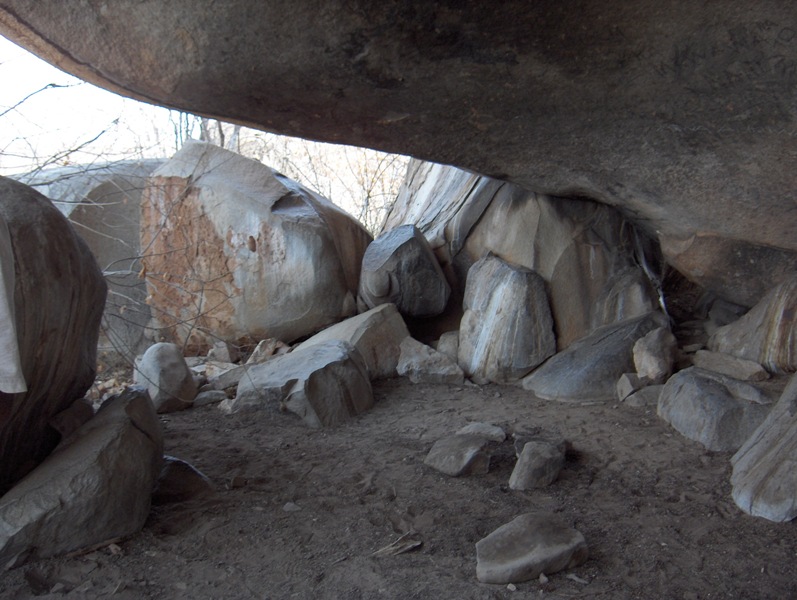
Mapango, or just Pango, are rock shelters. These posts chronicle my experiences in a granite pango in southern Tanzania, as well as other hijinks from the field.

About Me
- Ebeth
- My name is Elizabeth and I'm an archaeologist. I'm also a palaeoanthropologist, a bioarchaeologist, and a physical anthropologist, depending on the day. I'm spending the summer excavating bones (and other treasures) from an archaeological site in Tanzania. Otherwise, I'm a typical graduate student who enjoys coffee, reality television, and long walks on the beach.
No comments:
Post a Comment