The Slipway
Location: Msasani Peninsula
 The Slipway is an outdoor shopping market couched between several high end hotels and the Indian Ocean. It’s location on the edge of the city and the enclosed market set up tends to give it a resort-like feeling. People who stay in the adjacent hotels can essentially avoid entering Dar es Salaam proper before they no doubt depart for their expensive safaris. We like the Slipway because it’s a relaxing, sunny place where it’s almost impossible get into trouble. Nearly everyone speaks English and is used to tourists. Also, because it’s mostly self-contained, you can easily spend an afternoon shopping, relaxing, and enjoying a nice lunch. There are 4 or 5 restaurants at the Slipway, including a sushi place we have yet to try, as well as an ice cream store. All of the eating areas are outdoors and right on the ocean and the tables are usually shaded by some form of thatched hut. One of the restaurants in particular serves a selection of gourmet salads, which are rare in this country and therefore get us really excited. A series of ritzy stores surround the restaurants, including a Tanzanite dealer, a Western-style book store, and some elite furniture places. Slightly further on, there is a small shopping centre with craft stores and our favourite Tanzanian clothing store, Mapozi, which makes dresses and other clothes out of Khanga and Katenge. Finally, there is a covered market crowded with small stalls that peddle local carvings, jewellery, textiles, art, paintings, and other souvenirs. The prices at the market are relatively good, but the vendors can be aggressive and it’s not always clear whether or not they are the artisans. Also, the market is usually only open on weekends. However, when it is open, there is an amazing selection of Tinga Tinga paintings made directly on the premises. Sometimes we feel guilty about going to the Slipway because it is probably the least African-friendly place in Dar es Salaam. It feels a bit odd to be sequestered away in a resort area where most of the local people we see are working. However, sometimes we just need a safe, relaxing place to go when we need to get out of our hotel. We usually end up going there when we want to kill some time, and maybe do some shopping in the meantime.
Mwenge
Location: Mwenge District
 Mwenge is the wood carvers' market in Dar es Salaam, and has a completely different atmosphere than the Slipway. It’s located closer to the centre of town and is nothing like resort. It’s an expansive open-air market with a large centre area lined by a series of stalls and shops. There are no restaurants (or public washrooms for that matter) because it’s a place specifically devoted to shopping. Most vendors at the Slipway speak a fair bit of English, but at Mwenge almost all of the transactions have to be conducted in a mixture of Swahili and English (or Swinglish, as we’ve begun to call our code-switching). Also unlike the Slipway, the prices are far more negotiable and bartering is an essential skill. We tend to see tourists, but never just lounging or hanging out. Mwenge attracts a more determined breed of craft and souvenir shoppers who are willing to do serious business. The vendors are occasionally frighteningly aggressive, and if you’re not strong willed, you will get pulled into every single shop. Shopping at Mwenge is infinitely more exhausting, and can only be undertaken for an hour or two before we have to stop and get some food. However, we usually leave with quite a haul. All the shops are captained by local artists and the quality of the carvings and other pieces is very high. There is also a much greater selection of everything at Mwenge, including our favourite Tinga Tinga paintings, and they are usually quite well priced. Consequently, going here requires a lot of energy and a full shopping commitment. We usually go there on weekends when we’re looking for specific gifts for people back home, or when we’re feeling up to a shopping challenge. If the Slipway is like going to the mall to browse, Mwenge is West Edmonton Mall on Boxing Day.
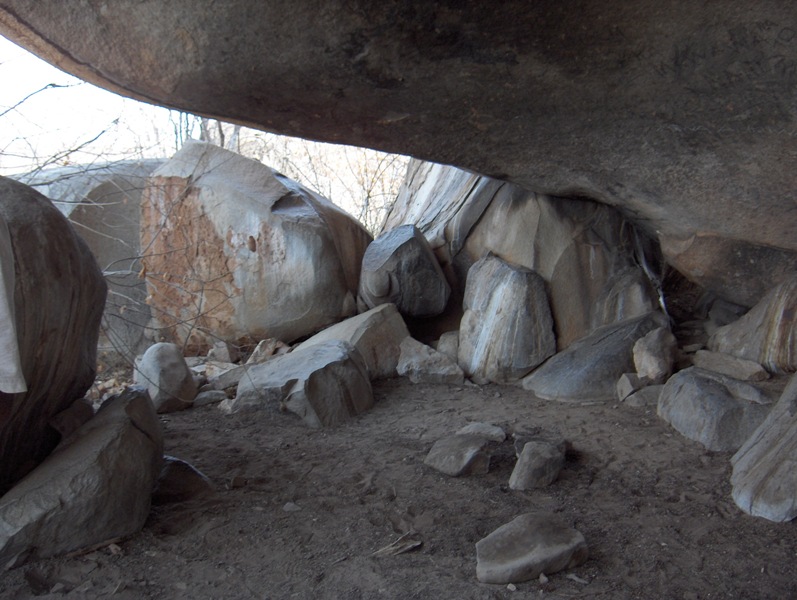
Bright and early tomorrow morning, we’re going to visit the National Museum in the hopes of finally resolving the mystery of the lost artifacts. If you have been following since the beginning, you know that I have been trying to get access to these items since we first landed in mid-June. Thus far, they have been inaccessible in museum storage as the result of ongoing renovations. The day we left for Iringa for the last time, we received a call that they were finally available for our viewing. At this point, I really couldn’t say if the collection will have any bearing on our research. At minimum, it constitutes an array of artifacts collected from the same rock shelter 8 years ago that should be included in our analysis. At the most, there might be additional individuals represented there that might shed some light on whether the site was used for mortuary practices. I’m glad we got our last shopping out of the way this weekend because I have no idea what the next few days will bring.

No comments:
Post a Comment